
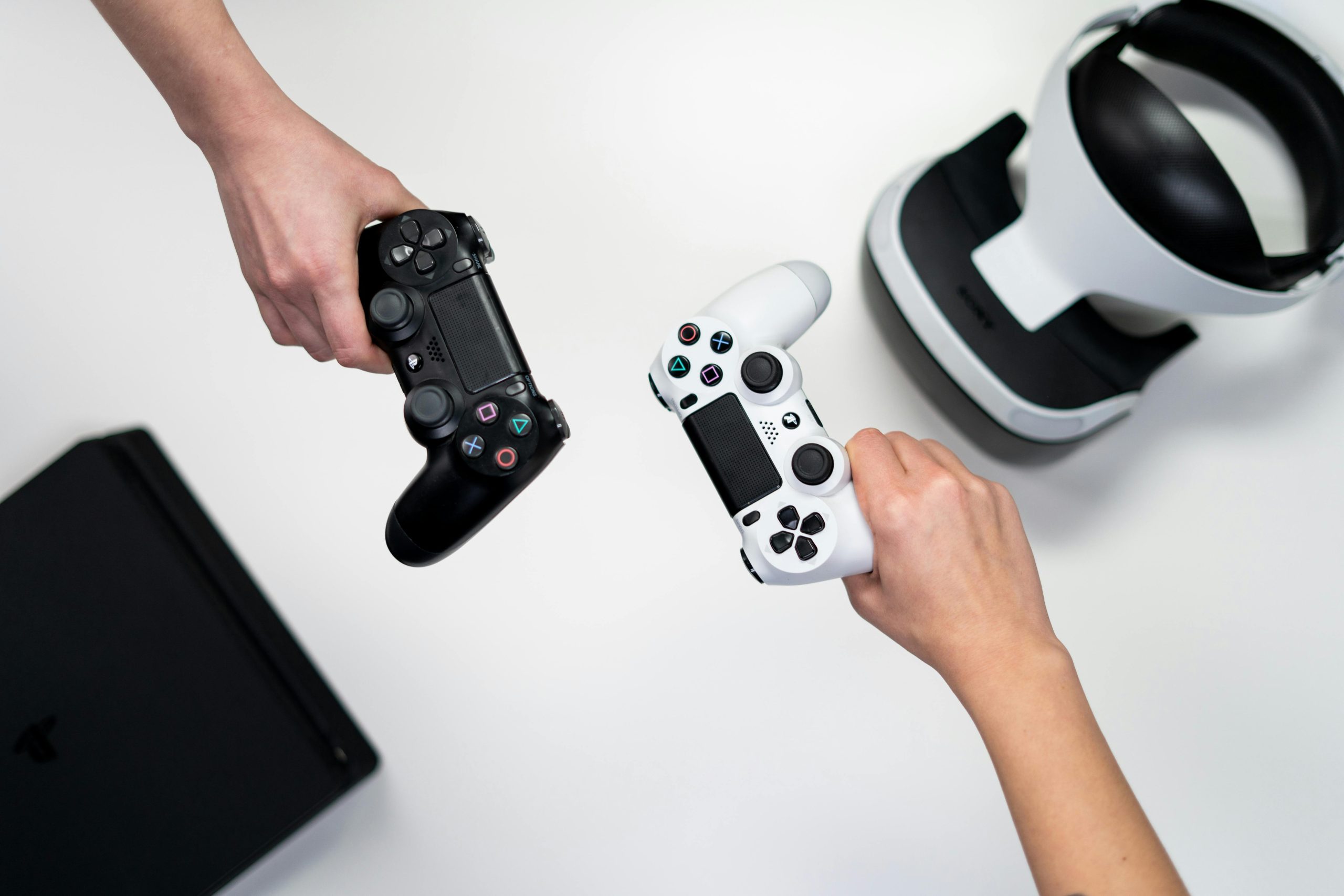
The players who grew up with consoles, Hollywood blockbusters, and early online games are now seeing another evolution – slot games that bring us full circle
For many of us, gaming didn’t start with high-end graphics cards or sprawling online worlds. It started with arcade cabinets glowing in dimly lit rooms, chunky cartridges sliding into consoles (we’re looking at you, gray Nintendo), and the thrill of discovering a new game on a weekend afternoon. Those early experiences shaped an entire generation’s relationship with entertainment.
At the same time, movies were getting bigger, louder, and more cinematic. Hollywood blockbusters filled screens with adventure, fantasy, and sci-fi worlds that felt larger than life.
Between films, consoles, and the first wave of online gaming, entertainment started to grow into something far more interactive.
Fast forward a few decades, and that same generation is still playing – only the platforms have changed a lot. The digital entertainment space has expanded in ways few people could have imagined back then.
Streaming, mobile games, online communities, and immersive digital experiences have all grown alongside the players themselves.
And interestingly, one form of entertainment has quietly followed a very similar path of evolution – slot games.
The early days – when slots were simple machines
Long before the digital era transformed gaming as we know it, slot machines were simple mechanical devices.
Their design focused on spinning reels, recognizable symbols, and straightforward outcomes. They were easy to understand and required little interaction beyond starting the spin.
Compared to modern digital experiences, early machines were incredibly basic. In many ways, they resembled the earliest video games – simple mechanics, limited visuals, and a short yet clunky gameplay loop that repeated over and over.
Typical features of early slot machines included:
- Static spinning reels
- No animations
- Familiar symbols like fruits and bars
- Straightforward gameplay with minimal variation
Just like early arcade titles, these machines delivered quick bursts of entertainment without much complexity or technical finesse. But as technology advanced, both industries began to grow alongside one another.
Digital screens replaced mechanical reels, and software allowed developers to experiment with design in ways that simply weren’t possible before. That shift opened the door for something much bigger.
When slots started to feel like video games?
The real transformation happened when digital technology and online platforms entered the picture. Suddenly, slot developers had access to tools that looked remarkably similar to those used by video game studios.
Graphics improved dramatically. Soundtracks became richer. Animations turned simple spins into visually engaging experiences.
Today, many of the new slot games are designed with gameplay ideas that feel surprisingly familiar to gamers.
In fact, the latest new slot games often introduce features that mirror mechanics commonly found in video games. Instead of simply watching reels spin, players can encounter layered gameplay elements such as:
- Bonus rounds that feel like mini-games
- Expanding worlds or themed environments
- Interactive visual effects and character animations
- Progression systems that unlock new features
This shift brought an entirely new sense of immersion. A spin might trigger an animated sequence, reveal hidden symbols, or open up a themed bonus level. These moments feel closer to video game design than traditional casino machines.
It’s a natural evolution when you think about it. As graphics engines improved and player expectations grew, developers began combining entertainment styles that had once lived in separate spaces.
Cinematic storytelling and pop culture influence
Another major change came from storytelling. Just like modern video games, many slot experiences now lean heavily into themes inspired by pop culture and cinematic storytelling.
Players who grew up watching fantasy adventures or science fiction epics often notice the style straight away.
Dramatic soundtracks, animated worlds, and bold visual themes create a sense of atmosphere that feels much closer to modern gaming than old mechanical machines.
Some of the most popular themes draw inspiration from genres such as:
- Adventure and exploration
- Mythology and ancient legends
- Fantasy worlds filled with magical characters
- Futuristic sci-fi settings
These creative directions help transform a simple spin into a short burst of storytelling. Visual effects might sweep across the screen, characters might react to events, and bonus rounds often feel like stepping into a different part of the game world.
Why modern slot players feel like gamers?
As digital design matured, another interesting shift occurred – the player experience itself started to resemble more mainstream gaming culture.
Many modern slot experiences now include features that echo the structure of video games. Instead of purely static gameplay, they introduce moments of interaction, anticipation, and progression.
Some of the most noticeable gamer-style elements include:
- Multi-stage bonus rounds that unfold like short challenges
- Animated characters that appear throughout the game
- Expanding visuals that react to in-game events
- Dynamic reward systems that create momentum during play
These features don’t only make games visually appealing – they create a rhythm that feels engaging and familiar to anyone who grew up with consoles or online games.
The future – where the genres will continue to blend
Looking at our future, the lines between different forms of digital entertainment will likely continue to blur. Advances in graphics technology, mobile platforms, and immersive design are pushing games of all types into new creative territory.
Developers are constantly experimenting with storytelling, animation, and interactive mechanics. As a result, the overall experience keeps evolving alongside the players themselves.
For the generation that grew up with arcades, console classics, and blockbuster films, this progression feels almost natural.
The digital worlds they enjoyed decades ago have expanded and married in ways that continue to surprise us.
What started as simple spinning reels has gradually transformed into something far more dynamic. Today’s slot experiences share many of the same creative influences as video games – vibrant visuals, themed worlds, and engaging gameplay loops.
And as technology keeps advancing, it’s clear that this evolution is far from finished.
The journey from arcade screens to digital reels is just another chapter in the ever-changing story of interactive entertainment.
And we’re locked in for what’s next.
 English
  Español de México
  Deutsch
  Español
  Italiano
  Português do Brasil