
There’s something quietly remarkable happening to people who grew up mashing buttons on an NES controller or blowing into cartridges hoping a game would finally load.
They didn’t just grow up, they grew into the dominant consumer demographic for digital entertainment, and they’re pulling their childhood aesthetics with them everywhere they go.
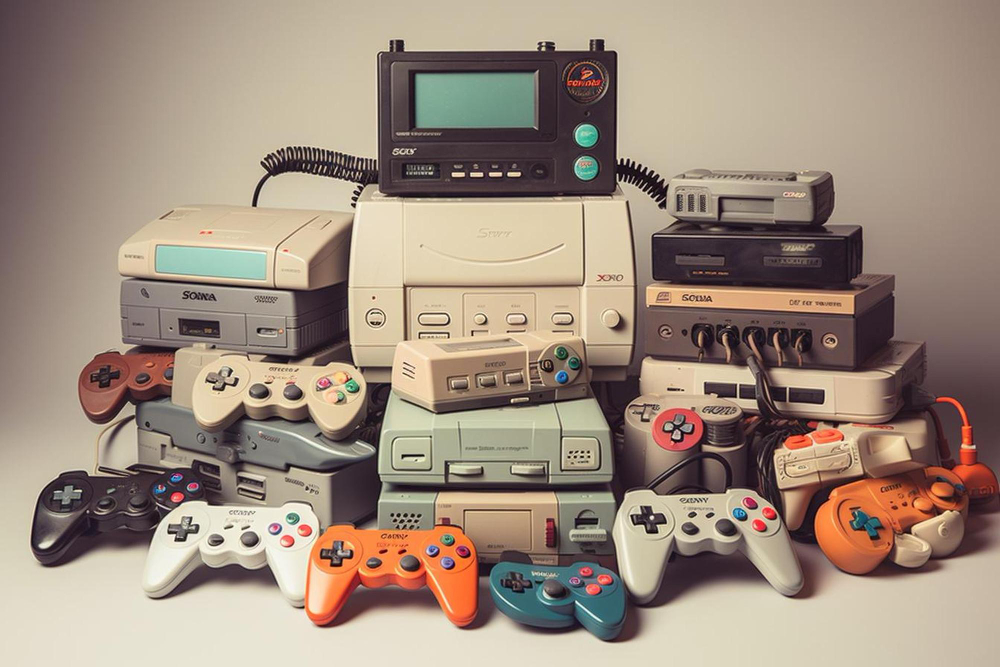
The retro gaming revival isn’t a niche curiosity anymore. It’s a cultural force. Pixel art, chiptune soundtracks, and that specific shade of late-80s colour palette have escaped their original context and migrated into streaming platform UI design, mobile apps, merchandise drops, and a whole wave of new digital entertainment products built specifically to trigger that nostalgic response.
Nowhere is this more visible than in the rush of new online casinos launching with pixel-art lobbies, chiptune soundtracks, and bonus rounds that deliberately echo the era catalogued in depth by Alex Martin’s guide at Vegas Aces.
These aren’t accidental design choices. They’re a calculated appeal to the same players who can still hum the Super Mario Bros. overworld theme from memory.
Why the 8-Bit Era Never Really Ended?
Ask most retro gaming fans when the Golden Age of Gaming ended, and they’ll give you a year tied to a specific console generation.
Ask them when it came back, and most will point to somewhere in the mid-2010s, when indie developers started releasing pixel-art games that felt less like nostalgia bait and more like genuine love letters to the form.
That comeback has only accelerated. According to a consumer report from Back Market, 2025 saw a measurable surge in retro gaming engagement, driven by both the availability of emulation technology and a psychological pull that industry analysts describe as “comfort media” entertainment that reduces anxiety by reconnecting adults with the simplified, rewarding feedback loops of childhood gaming.
That’s not a small audience. Deloitte’s 2024 Media and Entertainment Industry Outlook found that 78% of millennials regularly play video games, the same generation that grew up with the Super Nintendo and Sega Genesis as their primary entertainment devices.
They have disposable income now. They have opinions about interface design. And they respond strongly to products that understand their aesthetic language.
The Aesthetic Migration: From Consoles to Every Screen
Here’s the thing about nostalgia: once it proves commercially potent in one space, adjacent industries start speaking the same visual dialect.
The signs are everywhere if you know what to look for. Mobile games have been leaning on pixel art for years, not because it’s cheaper to produce (it often isn’t), but because it carries emotional weight.
Streaming platforms experiment with 8-bit loading screens and retro-styled UI elements during themed events. Merchandise brands built on NES and SNES iconography generate consistent six-figure annual revenues on platforms like Etsy and Redbubble.
And digital entertainment platforms across multiple categories have started hiring UI designers specifically for their ability to recreate that late-80s to mid-90s visual register.
The logic is straightforward: if your target user is 30–45 years old and has warm associations with a specific aesthetic era, building your product to live inside that aesthetic isn’t just nostalgia-chasing. It’s user experience design.
It’s the same reason the crossplay era in modern gaming has been so successful at reuniting old friends across platforms the technology gets out of the way, and what remains is the experience of playing together, which is what people actually want.
What Retro-Styled Platforms Actually Look Like?
So what does it look like when a digital entertainment platform commits to the retro aesthetic?
In the casino space specifically, some of the more recent launches have gone all-in on the concept. Think lobby screens rendered in limited color palettes, navigation menus that mimic old console start screens, sound design lifted directly from FM synthesis, and bonus structures named after power-ups or extra lives. The visual language is unmistakable to anyone who spent formative years in front of a CRT television.
This isn’t isolated to one corner of online entertainment, either. The same design trend is visible in fintech apps targeting younger users, in productivity tools that deliberately evoke early-90s software interfaces, and in social platforms that use pixel avatars as a default identity system.
The retro aesthetic has become a shorthand for a certain kind of trustworthiness and warmth, a signal that the people who built this product understand where you came from.
For platforms trying to differentiate in crowded markets, that signal is valuable. New entrants don’t have decades of brand recognition to lean on, so they reach for cultural recognition instead.
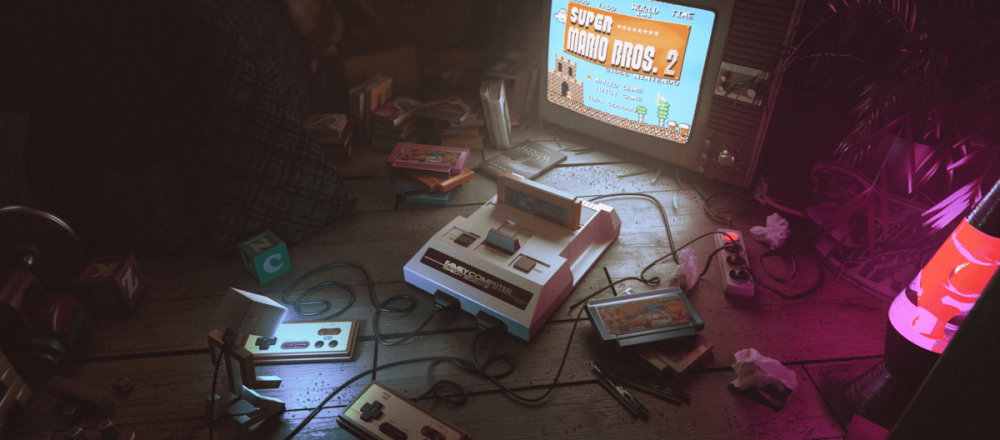
The Demographics Make the Connection Inevitable
None of this is accidental, and the overlap in demographics makes the connection between retro gaming culture and new entertainment platforms almost inevitable.
The average retro gaming enthusiast today is in their 30s or 40s. They have more economic agency than they did when they were playing Contra on a borrowed NES.
They are comfortable with digital payments, familiar with online platforms, and actively looking for entertainment experiences that feel designed for them rather than for a generic algorithm-optimised audience.
They are also, critically, the same demographic that mobile gaming pulled in during the early 2010s, largely by offering the same nostalgic feedback loops, short sessions, clear reward structures, satisfying audio cues that defined cartridge-era gaming.
Digital entertainment platforms that understand this aren’t just copying an aesthetic. They’re speaking a language. The pixel art and chiptune scores are a form of authentication, a way of saying “we know what you grew up with, and we built this for you.”
On the content side, you can see the same audience alignment in how the most-streamed retro games skew heavily toward titles with simple, repeatable mechanics and high replay value.
The statistics around live streaming viewership in 2026 show that gaming content remains one of the most-watched categories, with retro game streams consistently outperforming expectations for their age.
People aren’t just playing these games, they’re watching other people play them, which means the cultural appetite goes deeper than simple nostalgia.
Why “New” and “Retro” Aren’t Actually Opposites?
One of the more interesting tensions in this space is between the idea of “new” and “retro” terms that seem contradictory but are increasingly being used together deliberately.
A new platform built on retro aesthetics is doing something specific: it’s using the emotional grammar of a familiar era to make an unfamiliar product feel approachable.
The newness is in the infrastructure, the payment systems, the licensing, the game engines, the backend technology. The retro layer is the interface through which users encounter that new infrastructure for the first time.
It works the same way a new film shot on 16mm grain or a new record with analog warmth works. The medium signals something about intent. It says: we value the things you value. The substance might be entirely modern, but the first impression is comfort and recognition.
For retro gaming fans specifically, this matters. These are people who have spent years making the case that older design philosophies produced better player experiences in certain respects: tighter controls, more focused mechanics, cleaner feedback loops.
When a new platform shows up that actually believes that aesthetic argument rather than just borrowing the graphics, the response tends to be more engaged than the average new-product launch.
FAQs
Why are so many new digital entertainment platforms using retro aesthetics?
Retro aesthetics appeal to the 30–45 demographic that grew up with NES, SNES, and Genesis hardware. This audience has significant disposable income and responds emotionally to pixel art and chiptune design. For new platforms entering crowded markets, retro design functions as a trust signal and a cultural shorthand that reduces the friction of trying something unfamiliar.
Is the retro gaming revival commercially significant or just a cultural trend?
It’s both, and the two are reinforcing each other. The retro gaming market has grown measurably year-on-year since the mid-2010s, and the aesthetic influence has spread far beyond games into apps, merchandise, streaming, and other digital entertainment formats. The commercial momentum suggests this is a durable shift rather than a passing moment.
What’s the connection between retro gaming culture and online entertainment platforms?
The overlap is demographic. Players who grew up with cartridge-based gaming are now adult consumers actively seeking digital entertainment. Platforms that speak their aesthetic language pixel art, FM synthesis audio, retro UI design have found that this shorthand builds trust and engagement faster than conventional product design in certain audience segments.
Does retro-styled design actually improve the user experience, or is it just cosmetic?
For the right audience, it does more than look good. Retro game design principles, clear reward loops, satisfying audio feedback, and legible interfaces are genuinely strong UX foundations. When modern platforms apply these principles thoughtfully, rather than just layering pixels over contemporary interfaces, the result tends to be more intuitive and rewarding for users already fluent in that design language.
How do I find legitimate new digital entertainment platforms built with this kind of design quality?
Look for platforms that demonstrate genuine commitment to the aesthetic rather than surface-level borrowing consistent design language across the full interface, original audio rather than stock samples, and review sources that evaluate the full experience. Guides from established reviewers who test platforms thoroughly are a reliable starting point.
The Nostalgia Wave Is Still Building
If you’ve been here since the early days of this site, you already know something that broader media is only starting to catch up to: the players who grew up in the 8-bit and 16-bit era didn’t stop caring about design quality when they stopped being teenagers.
They carried those standards with them, and they apply them to everything they encounter in digital spaces now.
The retro gaming revival is producing something more interesting than a wave of re-releases and anniversary editions. It’s producing a generation of digital platforms across entertainment categories that have learned to speak a specific visual and sonic language fluently.
That’s a meaningful shift in how new products are built and marketed, and it’s being driven directly by the audience that sites like this one have always been built for.
 English
  Español de México
  Deutsch
  Español
  Italiano
  Português do Brasil