
Ask anyone who bets regularly what keeps them at a table or on a site longer than planned. The answer is almost never “I was winning.” It’s usually something harder to describe. A hand that went sideways.
A bonus was received when the bankroll was almost gone. The session had something at stake, and that staked feeling is what made it worth sitting through.
Platforms that generate loyal players understand this feeling. The ones that don’t understand it just throw jackpot numbers at you and hope for the best. There’s a difference, and experienced players feel it within the first few minutes.

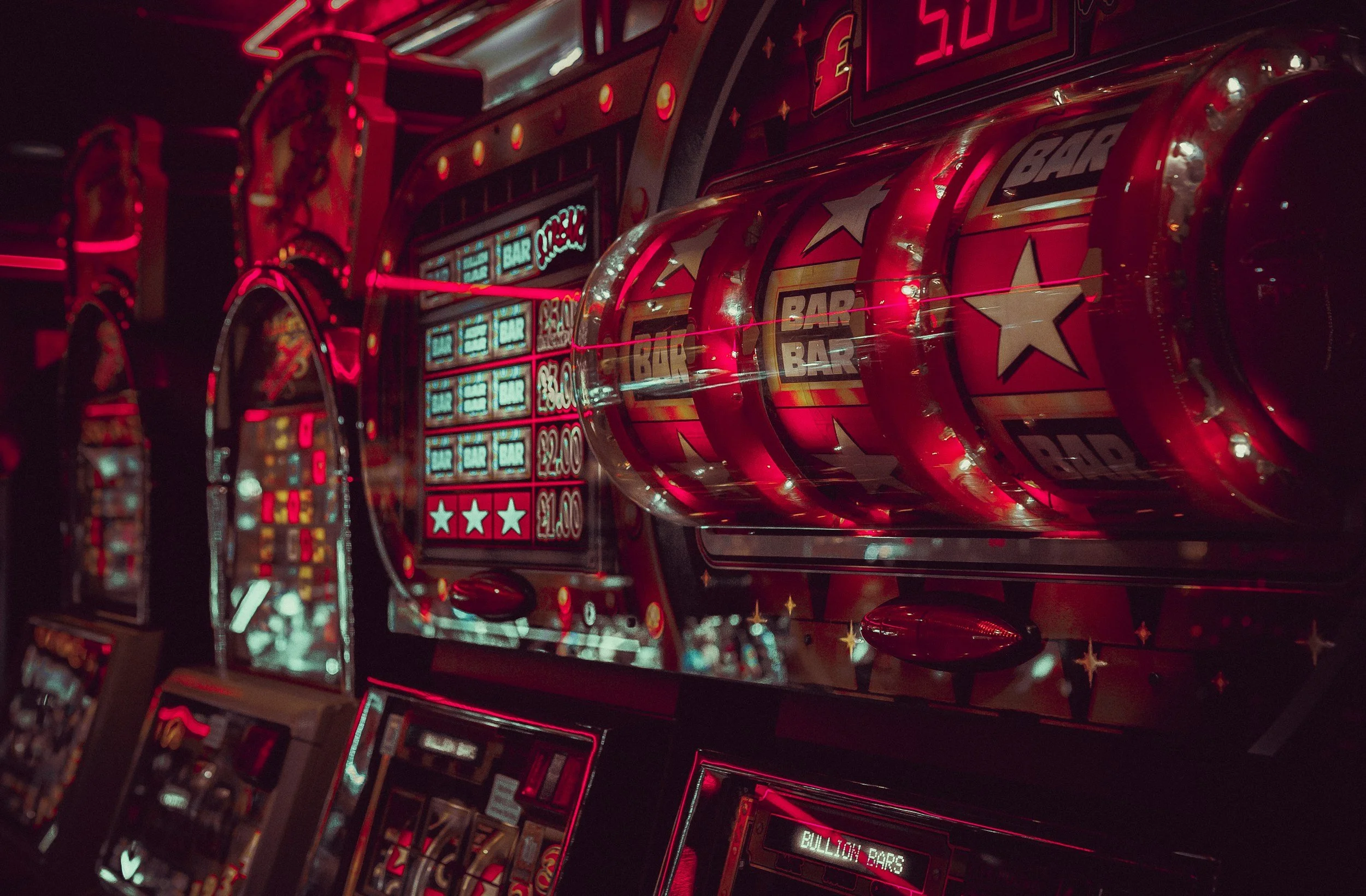
Slots Aren’t Simple Anymore
A slot ten years ago was basically a coin flip with extra steps. Spin, match, or don’t; collect or lose. Straightforward, but also kind of flat once you’d played a few dozen rounds.
Modern slots are built on mechanics that older games didn’t have. Cascading reels are a good example—symbols clear after a win, and new ones drop into the gap, which means a single spin can chain into three or four more without you doing anything at all.
Multipliers that grow inside a bonus round mean you don’t know what the feature is actually worth until the last free spin resolves. That gap between triggering the bonus and finishing it is where a lot of the real tension lives.
None of that is accidental. Designers build that uncertainty in deliberately because a feature you can price out on the first spin isn’t very interesting. The part where you don’t know yet is the part that keeps you watching.
Why Crypto Platforms Changed the Standard?
When crypto casinos started taking real market share, they were competing against operators with years of brand trust behind them. They couldn’t win on reputation. So a lot of them went a different direction and competed based on verifiability instead.
Provably fair means you can audit a result yourself once the round closes. Not every player bothers, but the option is there. And there’s a real difference between trusting something because you have no choice and trusting it because you looked and it checked out.
Players who care about that distinction gravitated toward crypto casinos quickly, and the ones who didn’t care initially often came around after a few sessions.
Many crypto platforms also structured their bonuses differently. Rakeback on losses, daily reloads tied to actual volume, and cashback that doesn’t expire in 24 hours.
The result is a session where even a bad night produces something to work with next time. Not a profit, but a different starting point.

The Volatility Question
This is the part most casual players miss. Not all slots, poker variants, or table game side bets carry the same risk structure.
Volatility is the word the industry uses, but what it actually describes is the shape of how results are distributed over time.
Low volatility means small wins show up often. The bankroll doesn’t swing much in either direction. You can play for a long time without going broke, but you’re also unlikely to finish dramatically ahead.
High volatility is the opposite. Long stretches where nothing meaningful happens, then a result that changes the session entirely.
Players who chase those outcomes have to accept the dead stretches as part of the format, not a malfunction.
The game isn’t broken during those 50 spins where nothing hits. That’s the cost of the ceiling being higher.
Knowing which one you want before you sit down is more useful than any strategy guide. The two types require different bankroll management and a different mindset. Treating a high-variance slot like a low-variance one is how sessions end earlier than they should.
Live Games Do Something Different
There’s a version of online blackjack where you’re playing against a random number generator at whatever speed you choose.
It’s fine. It does the job. And then there’s the live dealer version, with a real person behind the table, other players in seats, and the dealer flipping the hole card in real time.
The information structure of the game is identical. What changes is that the stakes feel physical in a way they don’t against an algorithm. When the dealer hits 21 on a hand you doubled down on, that sting is different.
Not worse necessarily, but more present. A lot of players find that presence is exactly what makes the format worth paying a slightly higher house edge for.
Baccarat works the same way in a live setting. The game itself has almost no decisions in it. You pick a side and watch.
But watching it play out with a real shoe and a real dealer is a genuinely different experience from watching a digital animation do the same thing. The category is the same. The texture is not.
What Actually Keeps Players Coming Back?
It’s not winning. Plenty of people who win leave immediately and don’t come back for weeks. What creates consistent engagement is the feeling that the session had stakes that were real and outcomes that weren’t predetermined.
That feeling has to be earned by the product. A platform that pays out reliably, explains its mechanics honestly, and gives players tools to manage their own behavior will hold players longer than one that relies on confusion or misleading bonus terms.
The industry has been slow to learn this in some markets and faster in others. The operators that figured it out are the ones still around after ten years.
Risk and reward only work as a system when both sides of it are genuine. That’s as true in a casino as it is anywhere else.