
Before smartphones destroyed attention spans arcade machines were already keeping people glued to screens for hours at a time. Back then nobody used words like “engagement mechanics” or “reward loops.” People just called it gaming.
But looking back now, some arcade games were dangerously addictive in the best possible way.
You would walk into an arcade planning to spend a few coins and somehow leave three hours later with numb fingers, and a personal vendetta against a machine that looked like it survived a small electrical fire.
Even best offshore casino sites still use many of the same ideas old arcade developers mastered decades ago: bright visuals, fast gameplay, suspense, near misses, and the constant feeling that success is always one more try away.
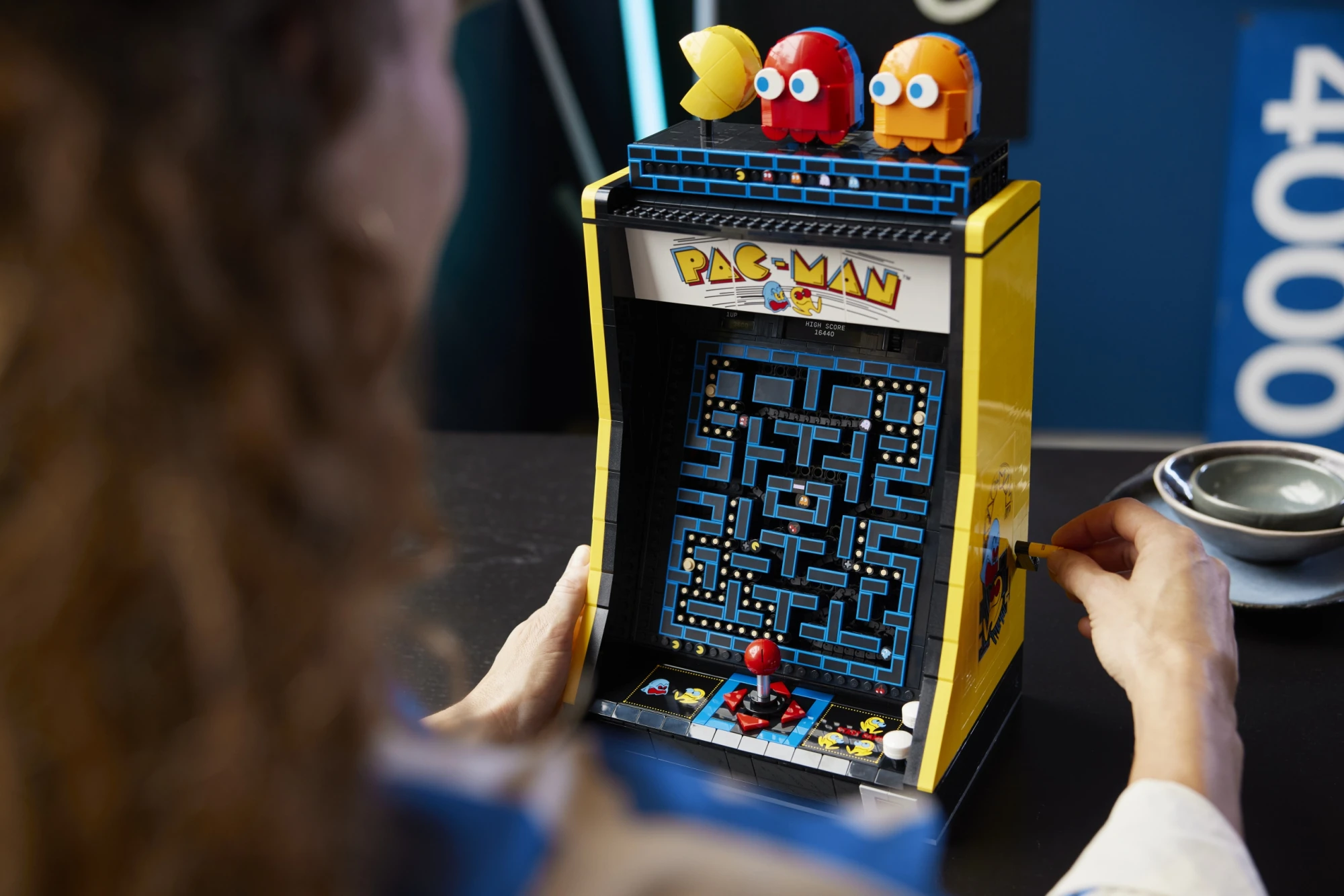
Pac-Man Was Basically Digital Crack
There’s a reason people became obsessed with Pac-Man almost immediately after it was released.
The game looked simple enough that anyone could play it, but difficult enough that almost nobody could truly master it. That balance is what made it so addictive. Every death felt avoidable. Every failed run felt fixable.
Players constantly convinced themselves they were getting better.
Then thirty minutes disappeared.
Pac-Man also mastered the short-session formula. Games started instantly, movement felt smooth, and restarting after failure took seconds. Modern mobile games still copy that structure today because it works absurdly well.
Galaga Turned People Into Score Addicts
Galaga was one of the first arcade games that made players completely obsessed with chasing higher scores.
The gameplay loop was brutally effective. Destroy enemies, survive longer, improve score, repeat forever. The simplicity made it impossible to quit peacefully because every attempt felt like progress.
Galaga also introduced one of the sneakiest addiction mechanics in gaming history: the “almost perfect” run.
You’d survive ten waves flawlessly, start feeling invincible, and then immediately crash into an alien because your confidence got too high. Somehow, that made people want another attempt even more.
Arcades understood something casinos still understand perfectly: near-success can be more motivating than actual success.
Street Fighter II Created Competitive Chaos
Some arcade games were addictive because of the gameplay.
Street Fighter II became addictive because of other humans.
Nothing created tension like waiting beside a cabinet watching somebody dominate everyone in the room. Eventually, somebody would place a coin on the machine — the universal signal for “you’re about to lose your streak.”
Then the chaos started.
The genius of Street Fighter II was how every match felt personal. Losing didn’t feel random. It felt disrespectful. Players genuinely believed the next fight would go differently if they timed one move slightly better.
This usually led to another ten matches and a completely unnecessary argument over whether Ryu players were cheap.
Arcades became social battlefields because of games like this.
NBA Jam Was Pure Dopamine
NBA Jam didn’t care about realism.
It cared about maximum excitement every five seconds.
Huge dunks, ridiculous speed, flaming basketballs, screaming announcers — the game felt like somebody turned an energy drink into software.
“HE’S ON FIRE!”
That phrase alone probably caused thousands of kids to spend money they absolutely should have saved for food.
NBA Jam mastered sensory overload before the term became popular. Everything was exaggerated, loud, and rewarding. Even losing felt entertaining because the matches moved so fast.
Modern online casinos still use the exact same strategy. Keep players overstimulated enough that they never stop interacting with the screen.
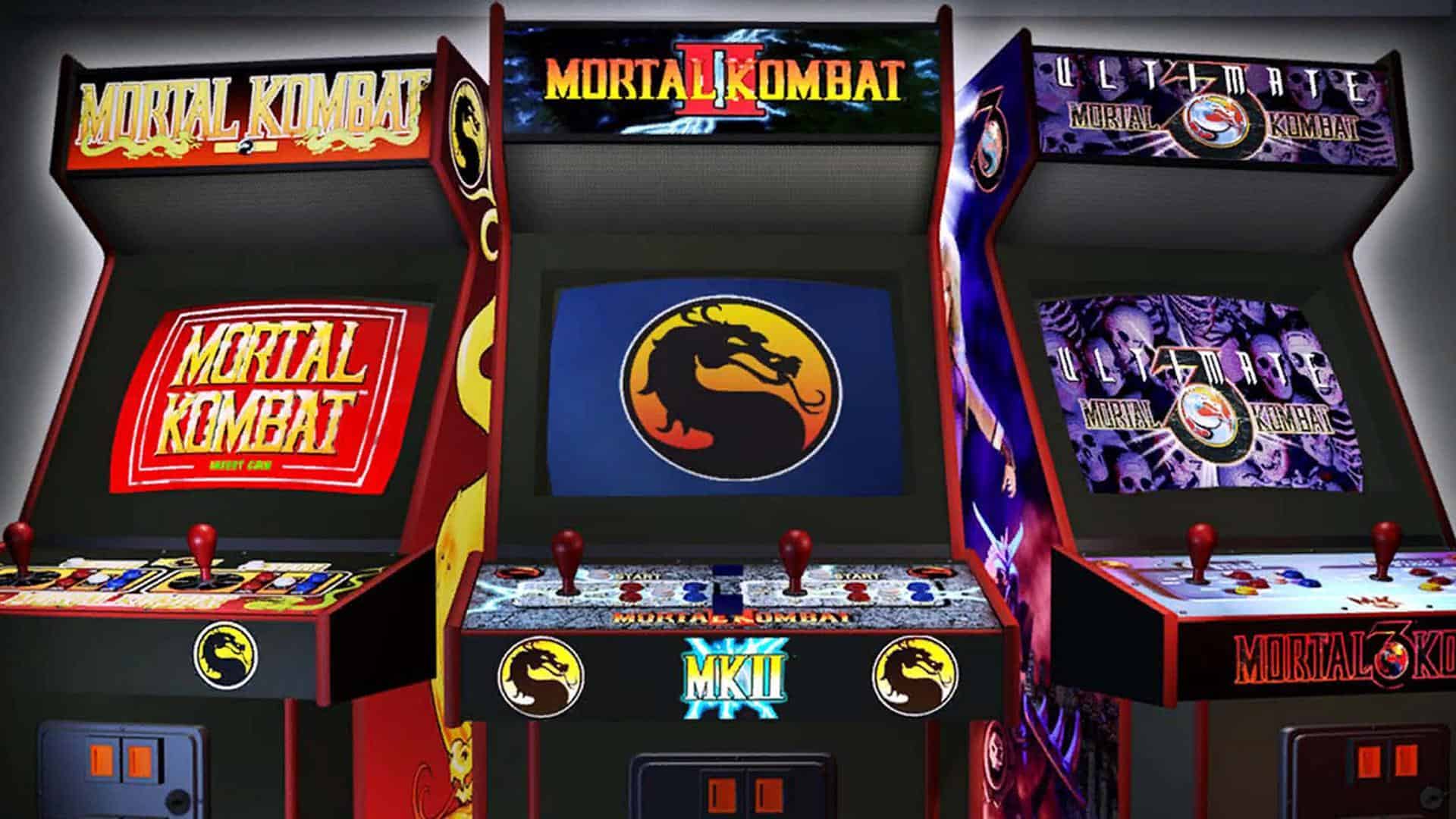
Mortal Kombat Thrived on Shock Value
Part of Mortal Kombat’s addiction came from the fact that parents hated it. Thats why it ended up as the most controversial video game.
The violence felt shocking at the time, which instantly made every teenager want to play it more. But underneath the controversy was a brilliantly addictive arcade fighter.
Players kept pumping coins into the machine trying to learn fatalities, hidden moves, and secret character combinations. Rumors spread through schools like ancient mythology.
Most of the rumors were completely fake, but that honestly made the game even more addictive.
Mystery is one of the oldest tricks in entertainment.
Arcades Perfected “One More Try” Psychology
The real reason arcade games became addictive had nothing to do with graphics or technology.
It was psychology.
Arcade developers mastered the art of making failure feel temporary. Games were difficult enough to challenge players but rewarding enough to keep them hopeful.
That combination is incredibly powerful.
You lost, but you almost won.
You failed, but progress felt possible.
You ran out of coins, but victory still felt close enough to justify one more attempt.
Honestly, it’s the exact same emotional loop modern gaming and online casinos still rely on today.
At the end, arcade players got cool soundtracks and legendary memories out of it.
And maybe a slight anger problem after losing to the same boss 47 times in a row.
 English
  Español de México
  Deutsch
  Español
  Italiano
  Português do Brasil