
My desk used to be completely cluttered with open-world map guides and checklist notes. I spent years buying every hundred-hour game the day it came out, totally convinced that a massive map full of markers meant I was getting my money’s worth.
But somewhere around my thirtieth hour of riding a slow mount across a huge empty field just to gather wood for a tiny gear upgrade, things shifted.
I realized I wasn’t having fun anymore. It felt like I was punching a timecard for a second job after finishing my actual workday.
That kind of mental fatigue is everywhere right now. After years of game studios boasting about massive maps that take forever to cross, a huge chunk of players is walking away from the endless space and heading back to short, tight levels that actually value their free time.
Why Giant Maps Started Feeling Like Work?
The Problem with Endless Map Markers
Big open-world games used to promise pure adventure. We all remember those early game reveals where developers pointed at mountains way off in the distance and said you could walk all the way over there.
Back then, that pitch sounded like magic. But the experience? Mostly just exhausting. Modern developers ended up clogging those huge landscapes with endless glowing dots, generic fetch quests, and identical radio towers to unlock.
Instead of soaking in the scenery or stumbling onto cool secrets, you spend your entire evening staring at a little radar line in the corner of your screen, driving from icon to icon like a door-to-door courier. That genuine thrill of wandering off the beaten path gets swallowed up by what feels like doing digital chores.
When Big Maps Are Just Empty Space?
Making a giant map feel alive takes a ton of time and effort. When studios try to make their worlds bigger without enough time to fill them, they end up relying on easy tricks to stretch things out:
- Empty Hills: Miles of open grass and rocks that exist just to make you walk longer.
- Copied Houses: Finding the same building layout or enemy camp copied twenty times across the map.
- Long Roads: Forcing you down long paths with nothing happening just to drag out the game clock.
When a world is built to be big instead of interesting, the extra space just feels like dead weight.
Fast Access and Simple Choices
If you like your games straight to the point without any extra fluff, you probably want that same no-nonsense vibe across the rest of your phone too. That’s why checking out regional setups like a Maya online casino makes so much sense for players in places like the Philippines.
It lets you move money through local e-wallets fast, right from your mobile device, without jumping through a dozen tedious registration hoops.
CasinoBankingMethods is a site that does a great job representing how these local payment options work, breaking down their simple layouts and instant transfers to keep things moving.
The Simple Fun of Hand-Made Levels
Every Pixel Matters in Older Games
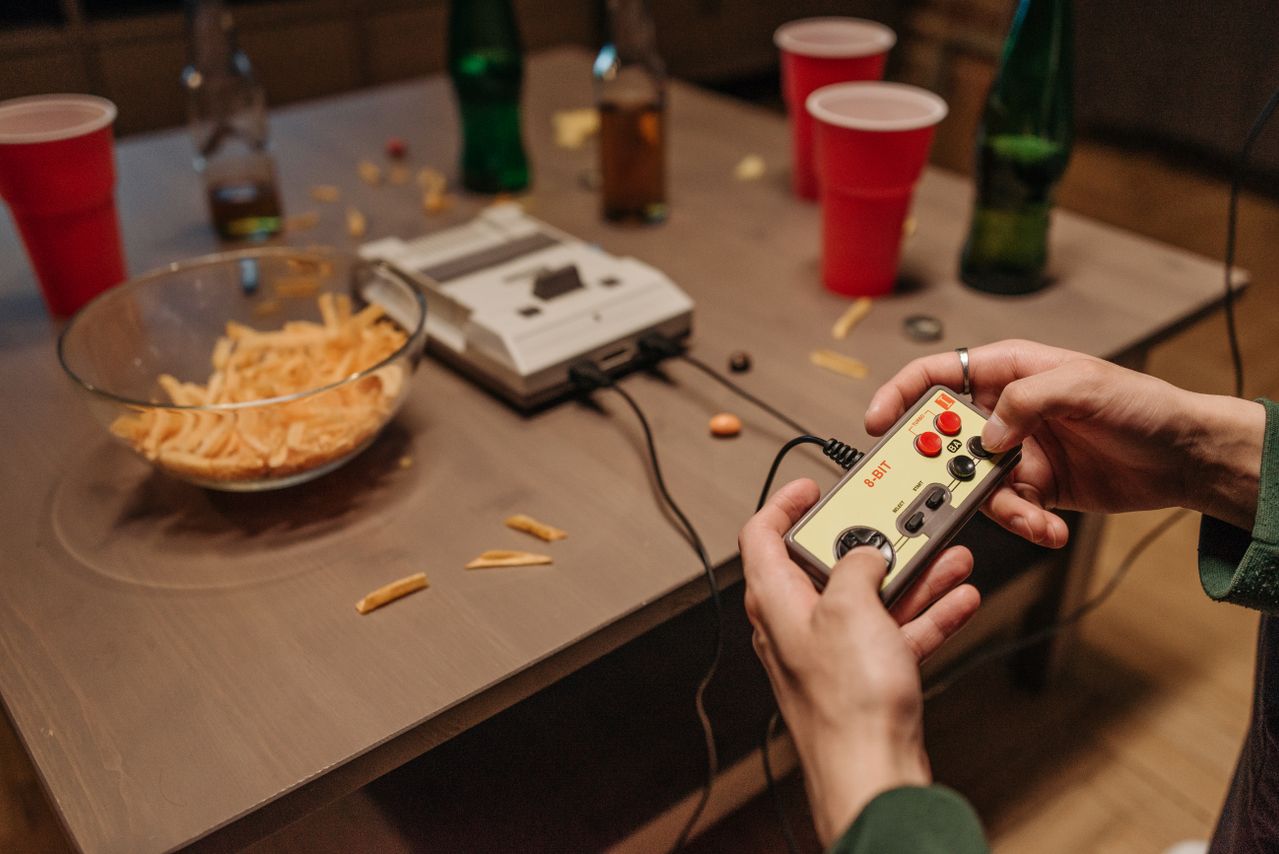
If you boot up an old 16-bit title like Super Mario World or Mega Man X, you see a completely different way of making games.
Because those early teams had tiny memory budgets on small cartridges, they couldn’t waste a single inch of screen space.
Every jump was placed on purpose. Every enemy was put there to test your reaction or force you to use a skill you just learned. If a section was hard, it was because a human designer built a neat little puzzle for you to solve with your controller.
There was zero filler. You didn’t wander around looking for the fun part – the game threw you right into it from step one.
Finishing What You Start
Short, linear stages do something huge games rarely manage: they give you a great sense of momentum.
Most linear stages take maybe ten or fifteen minutes to wrap up. The level drops a new mechanic in your lap right at the start, pushes you to actually master it through the middle stretch, and ends on a high note with a solid boss fight or a chaotic sprint to the finish line.
When you hit that end screen, it feels like a genuine win. You tackled a focused challenge, crossed the finish line, and can shut down your setup feeling like you actually got something done with your night.
Why Less Is Feeling Like More?
When you’ve already spent 8 long hours at work staring at a computer, answering emails, and making decision after decision, the last thing you want is something that feels like another shift. Modern blockbuster games love to overwhelm you the second you load in:
- Massive skill trees where you waste points on tiny 2% stat tweaks you won’t even notice.
- Messy screens that make you hoard 40 different pieces of literal trash just to upgrade a boot strap.
- Endless talking scenes with dialogue wheels that go on forever without actually saying much.
Fits Right into a Busy Day
Most of us who grew up with a controller in our hands now have full-time jobs, houses to clean, and family responsibilities taking up our time. Diving into a massive hundred-hour RPG means you’re basically committing to that one single game for the next 6 months.
If a busy week at work hits and you can’t play for a couple of weeks, you come back to the couch completely clueless about what button does what or why you were even traveling to that far corner of the map in the first place.
A focused 10-hour game fits normal life without any friction. You can beat 3 stages over the weekend, make real progress on a weeknight, and actually see the end of the story before you get bored and drop it.
Old Styles Making a Big Comeback
The Rise of Simple, Fast Games
Indie developers have been leading this push back to simple level layouts, and players are loving it. We are seeing a huge surge in demand for 2D platformers and frantic throwback shooters that strip away boring stealth sections, bloated maps, and endless unskippable cutscenes.
Standout releases like Celeste, Hades, and Shovel Knight completely flipped the script on the industry, proving you don’t need a bloated $100 million budget or endless square miles of terrain to drop a hit.
With such a clear vision, these games pour all their energy into razor-sharp controls and immediate respawns that keep you right in the action without wasting your time.
FAQs
Are open-world games dead for good?
Not even close. Huge open sandbox games still bring in massive money, so they aren’t vanishing overnight. What’s changing is the developer mindset. Studios are finally realizing that nobody wants to run across three miles of empty grass just to reach a quest giver, so they’re starting to build tighter, packed spaces where every corner actually has something interesting to check out.
Why do older games feel way tougher than modern ones?
Retro titles forced you to learn precise jump timing, memorize boss attack patterns, and react quickly under pressure. Modern big-budget games tend to fake difficulty by turning enemies into massive bullet sponges with huge health bars, which doesn’t actually make the fight smarter or more rewarding, just a lot longer to finish.
How do linear levels avoid feeling like a total hallway?
It all comes down to creative level layout and pacing. When a studio gets a simple stage right, they keep throwing fresh hazards, changing layouts, and unpredictable enemy combinations at you every few steps. You never get that on-rails feeling because the game constantly tweaks the rules just enough to keep your fingers working and your eyes locked on the screen.