Gaming has always been about competition, entertainment and connecting with other people. But on platforms such as Twitch and YouTube, a different kind of entertainment has found its audience: playing games while drinking alcohol, often with the drinking itself becoming part of the show.
From creators taking a shot every time they lose to livestreams built around drinking challenges, alcohol has become a recurring feature of certain gaming communities.
For viewers, it can look like harmless fun. However, as these streams attract attention and influence online culture, an important question emerges: where does entertainment end and unhealthy normalisation begin?
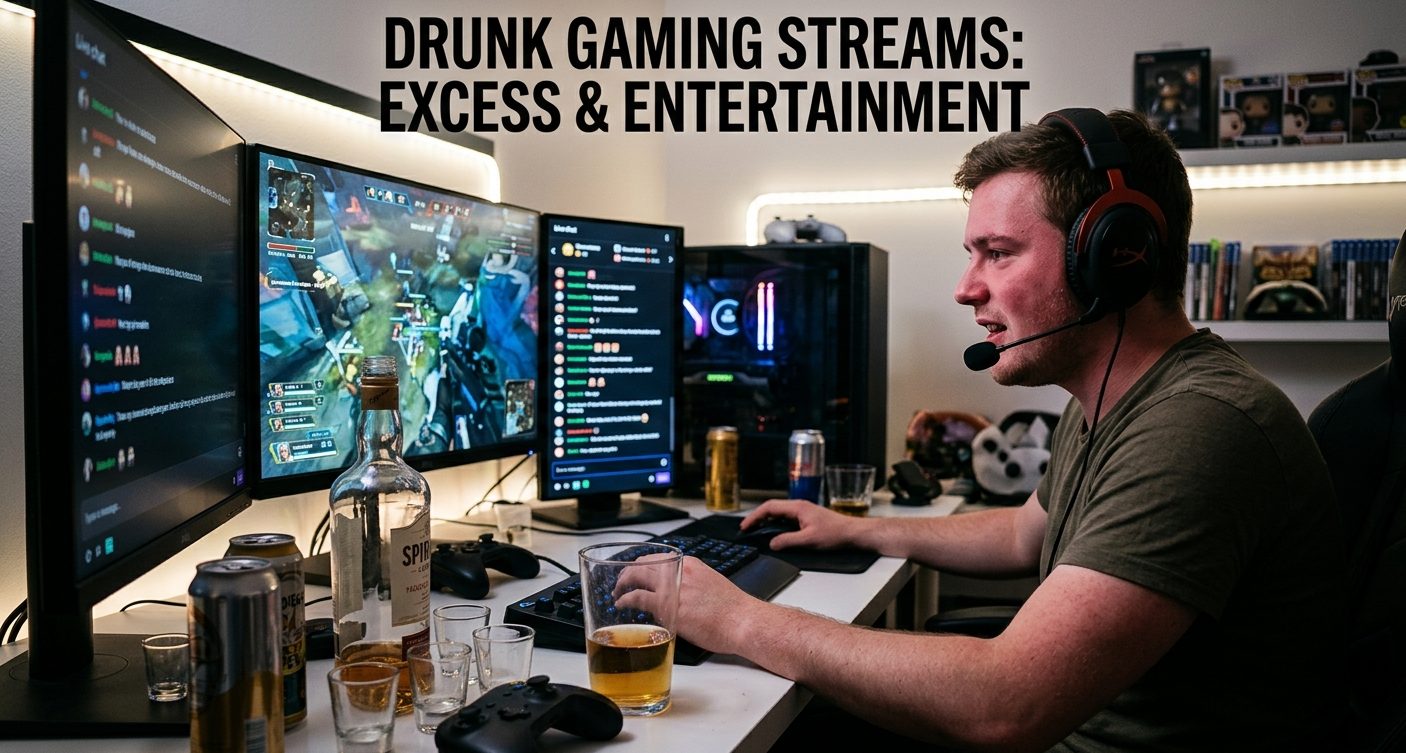
When Drinking Becomes Part of the Game?
The appeal of drunk gaming is easy to understand. Alcohol can create unpredictable moments, exaggerated reactions and chaotic gameplay, all of which make entertaining viewing.
Add live chat, audience participation and the occasional spectacular failure, and it is easy to see why some creators embrace the format.
Drinking challenges also give viewers a reason to keep watching. Whether it is a penalty for losing a round or a reward for completing a difficult challenge, alcohol becomes integrated into the rules of the game rather than remaining separate from the entertainment.
This is where the trend deserves closer attention. Instead of drinking being an occasional background activity, it becomes a central mechanic that encourages repeated consumption. The more a creator drinks, the more the audience may expect the entertainment to escalate.
Although many adults can distinguish between online performance and everyday behaviour, younger viewers may be less equipped to recognise the commercial incentives behind what they are watching.
The Influence on Younger Audiences
Gaming streams often feel more personal than traditional entertainment. Viewers can interact directly with creators, participate in live chats and develop a sense of familiarity with the people they watch regularly.
This connection can make a streamer’s behaviour seem relatable, particularly to teenagers who admire their favourite gaming personalities.
When popular creators repeatedly associate alcohol with laughter, friendship and winning, they risk presenting drinking as a natural part of gaming culture.
The concern is not that every viewer will copy what they see, but that repeated exposure can gradually influence perceptions of what is normal or socially desirable.
There is also the issue of extended gaming sessions. Gaming can already involve hours spent in front of a screen, and introducing alcohol may encourage viewers to associate longer sessions with continuous drinking.
This can blur the distinction between relaxing with friends and feeling that alcohol is an essential part of the experience.
The wider consequences of harmful drinking should not be overlooked. According to the World Health Organisation, an estimated 400 million people globally—about 7% of the world’s population aged 15 and older—live with alcohol use disorders.
While this figure does not demonstrate that gaming streams cause alcohol-related harm, it highlights why the way society presents alcohol deserves serious consideration.
For people vulnerable to alcohol addiction, repeated portrayals of drinking as entertaining, rewarding or socially necessary may be particularly unhelpful.
Entertainment, Engagement and Responsibility
Content creators operate in a competitive environment where attention matters. Dramatic reactions, unusual challenges and unpredictable moments can generate views, subscriptions and donations. Drinking streams can therefore become an attractive way to stand out in a crowded market.
However, creators also influence the communities they build. There is a difference between an adult occasionally enjoying a drink during a stream and deliberately encouraging excessive consumption for entertainment.
Responsible creators can maintain an engaging atmosphere without making alcohol the main attraction. They can avoid dangerous drinking challenges, establish clear boundaries, provide non-alcoholic alternatives and refuse to pressure guests or viewers into participating.
Transparency also matters. Audiences should not be left with the impression that heavy drinking is necessary to be funny, confident or accepted within a gaming community.
What Should Streaming Platforms Do?
Platforms such as Twitch and YouTube also have a role to play. Their content policies, moderation systems and age-related safeguards help determine how potentially harmful material reaches audiences.
Age restrictions and appropriate content warnings can provide useful protections, but they are not a complete solution.
Platforms should consistently enforce their rules around dangerous drinking challenges and assess whether recommendation systems are amplifying content that encourages excessive consumption.
Clearer guidance for creators would also help establish expectations without treating every stream involving alcohol as inherently harmful.
The aim should be proportionate moderation that protects younger audiences while recognising the difference between responsible adult behaviour and content that promotes dangerous drinking.
Ultimately, platforms benefit from the attention their creators generate. That makes it important for them to consider not only how many people watch a stream, but also the behaviours they may be encouraging.
A Better Balance for Gaming Culture
Gaming does not need alcohol to be entertaining. The best streams are often built around personality, skill, humour and the shared experience of a community.
Drinking may remain part of some adults’ social lives, but it should not become an expectation attached to playing games or supporting a favourite creator.
The solution is not to condemn every creator who enjoys a drink. It is to encourage a culture where entertainment does not depend on escalating consumption, and where younger audiences can enjoy gaming without being repeatedly exposed to alcohol as a symbol of popularity or success.
As livestreaming continues to shape digital culture, creators and platforms have an opportunity to lead by example.
The real high score should be a gaming community that remains entertaining, inclusive and responsible, without needing another drink to keep the audience watching.