
Majesco released Texas Hold ‘Em Poker for the Game Boy Advance on 1 November 2004, developed by Skyworks Technologies, at the exact moment televised card play was pulling in an audience that had never sat at a table.
It was also part of a longer history of poker, casino and traditional card games on Nintendo handhelds throughout the 1990s and early 2000s. The constraints of the hardware shaped what those cartridges could do at every stage.
The Monochrome Era
Vegas Stakes reached the Game Boy in December 1995, developed by HAL Laboratory. It was a port of the Super Nintendo title and a sequel to Vegas Dream on the NES, and its structure set a template for handheld casino games that followed.
The player arrives in Las Vegas with $1,000 and works toward $10 million across roulette, blackjack, craps, slots and poker tables, moving between venues as the bankroll grows.
Poker was one option among five, and never the centerpiece. That tells you how the genre was sold at the time. A cartridge with a single card variant on it was a harder sell at full price, so publishers could bundle a floor’s worth of activities together and let the player choose.
The result is that some of the earliest poker play on the platform arrived inside casino compilations, and finding it meant reading the back of the box.
Cartridge manufacturing also made broad compilations attractive. Producing a Game Boy cart carried a physical cost per unit, unlike later forms of digital distribution, so a collection of casino activities gave publishers a broader product to sell than a single card variant could offer.
Card Play on a 2-Bit Screen
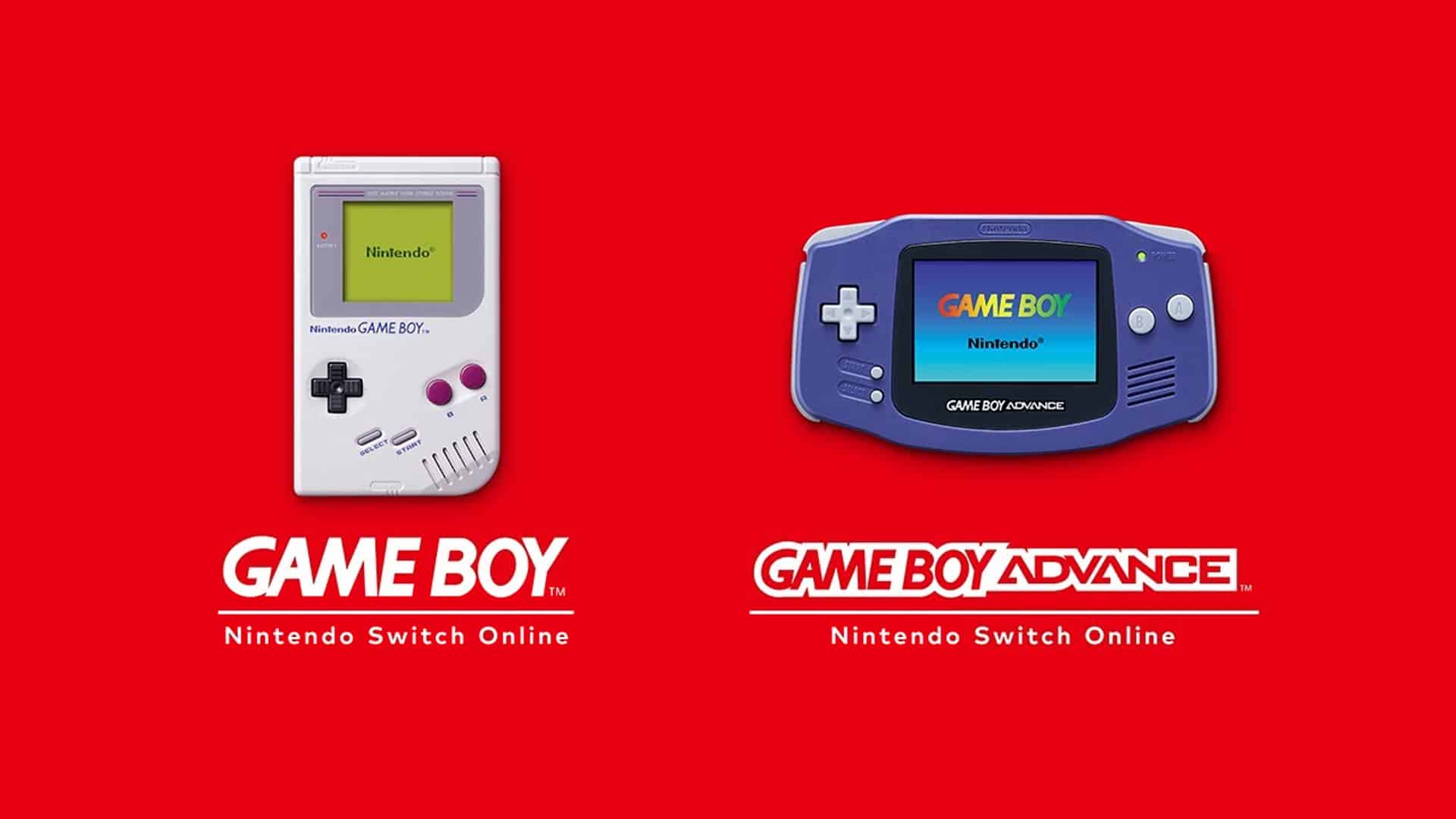
The original Game Boy screen was 160 by 144 pixels in four shades, which sounds catastrophic for a game built on reading suits and ranks. In practice it worked better than many genres managed on the same hardware.
A hand of five cards is a small amount of information, and card faces reduce to legible symbols at low resolution in a way that a detailed scrolling background never does.
Battery life mattered as much as resolution. The original Game Boy’s long runtime on AA batteries gave it a practical portability advantage over many color competitors of the period.
Card play works well in long, low-intensity sessions, and that combination helped poker games and other casino titles remain a natural fit for Nintendo handhelds through multiple hardware generations.
What the hardware rarely delivered was sophisticated opposition. Computer players tended to rely on comparatively simple decision routines, limiting how convincing bluffing and adaptation could feel.
The cards translated naturally to a small screen; the psychology of playing them was considerably harder to reproduce.
Game Boy Color Compilations
The color hardware brought another wave of card and casino compilations, although conventional poker remained surprisingly limited. Las Vegas Cool Hand arrived in North America on 1 December 1998, developed by Tarantula Studios and published by Take-Two Interactive.
It offered blackjack, cribbage and solitaire rather than conventional poker, but it showed how comfortably traditional card games could move onto the color handheld.
Other casino collections followed. The Game Boy Color version of Vegas Games included activities such as blackjack, roulette, craps, baccarat, slots, keno and video poker.
It did not offer the broader set of conventional poker variants found in some versions released for other platforms, an important distinction when looking back at games that shared names across different systems.
That breadth of casino software was possible because the audience for Nintendo’s handhelds had grown enormous.
The Game Boy had already changed the way America played portable video games, and a platform with that install base could support specialist card and casino releases that would have struggled to command the same attention on many home consoles.
The Advance Hardware Jump
Nintendo launched the Game Boy Advance in Japan in March 2001 and in the United States on 11 June 2001.
The specification was a genuine generational move, with a custom processor running at about 16.8MHz, additional hardware for backwards compatibility and substantially greater memory and graphical capability. The system shipped without a backlight, a gap the clamshell Game Boy Advance SP addressed in 2003.
For card games, the most visible gains appeared in presentation rather than opponent behavior. Felt textures, animated chip stacks and clearer table layouts became easier to deliver, while computer opponents could still feel predictable.
The machine could make the table look more convincing even when the person sitting on the other side of it remained recognizably artificial.
Texas Hold ‘Em Poker in 2004
Skyworks and Majesco released Texas Hold ‘Em Poker into a market that had recently discovered the game through televised tournament coverage.
The cartridge focused on hold’em through several betting structures, including limit, pot-limit and no-limit play, and offered single-game, tournament and career options.
It was also sold in a double-pack cartridge paired with Golden Nugget Casino, reflecting the continued appeal of packaging poker alongside a broader casino product.
The library it joined was one of the deepest on any handheld. A card cartridge released alongside essential GBA titles such as Advance Wars and Golden Sun was never going to be the headline, and it was not built to be. Its market was the 20-minute bus ride, where a complete portable hold’em session had an obvious appeal.
The cartridge arrived during the televised poker boom, shortly before mobile devices began taking over the kind of quick, portable card play that dedicated handheld cartridges had served. For a brief period, a $20 Game Boy Advance release could put a tournament into a player’s pocket without an internet connection.

Playing the Carts Today
These cartridges have aged in an unusual way. Save batteries in some older cartridges can fail, which matters less here than in a role-playing game, since a card session has no 40-hour progress file to lose. The screens are the real obstacle, and an unlit 2001 Advance in a dim room is genuinely hard to read.
Modern hardware solves much of that. Some modern retro handhelds can accept original cartridges while providing a bright backlit display, offering a way to preserve the physical cartridge experience without the limitations of the original screen.
The games themselves remain simple by modern standards. Their computer opponents cannot reproduce the uncertainty of another person, and their presentation belongs unmistakably to the hardware that produced them.
That is also part of their appeal. They capture a period when putting a complete card table into a pocket still required a dedicated cartridge and a Nintendo handheld.
A Small-Screen Chapter in Poker Gaming
Poker on the Game Boy family was never defined by technical sophistication. Its history is more interesting as a story of adaptation.
The monochrome Game Boy reduced cards to a handful of readable symbols, casino compilations gave poker room on expensive cartridges, and the Game Boy Advance used better hardware to make the table more recognizable without fundamentally changing the challenge posed by computer opponents.
By the time Texas Hold ‘Em Poker arrived in 2004, television had given the game a much larger audience and handheld hardware finally had a standalone release built around hold’em.
Mobile devices would soon become the more natural home for portable card play, but these cartridges preserve the transition that came before them.
They show how little hardware poker actually needs to function—and how much harder it is to reproduce the human player sitting across the table.