
Playing a game once required considerably more preparation than it does today. Arcade fans needed coins and a trip to the nearest cabinet, while console players depended on physical cartridges or discs. Even early PC gaming could involve lengthy installations before anything appeared on the screen.
Technology has gradually shortened the distance between wanting to play and actually playing. Downloads, smartphones, browser games and cloud services have made access increasingly immediate.
Although the games themselves have evolved dramatically, the changing way players reach them is an equally interesting part of gaming history.
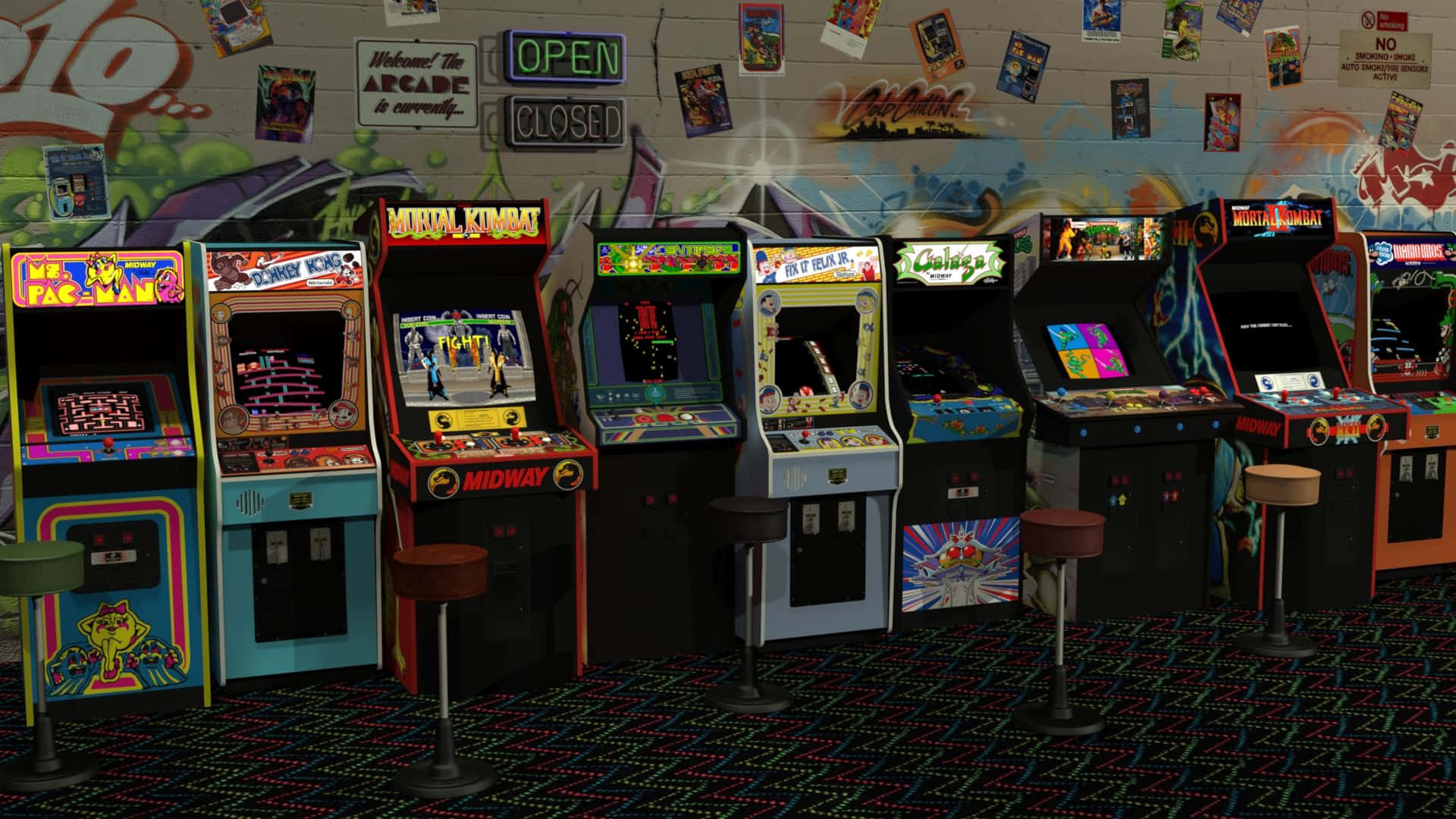
When Playing Meant Going Somewhere?
Arcades made gaming a destination. Players did not simply select a title from a digital library; they travelled to a physical location, exchanged money for coins or tokens and chose from the machines available.
That experience has not disappeared completely, but modern gaming offers alternatives that would have been difficult to imagine during the arcade era. Casino gaming provides one example. Alongside physical venues, players can now research digital alternatives before deciding what interests them.
Resources such as Casino.com in New Zealand allow users in that market to compare information about online casino platforms, games and features.
It reflects a much broader change in gaming: discovery and access increasingly happen online before a player ever begins a game.
Arcades nevertheless created something digital gaming has spent decades trying to recreate: an immediate sense of community. Watching another player attempt a difficult level or competing for a high score made gaming naturally social.
Cartridges Brought Games Into the Home
Home consoles changed the relationship between players and games. Instead of travelling to an arcade, people could build their own collection.
Cartridges became physical objects associated with particular games and systems. Later, optical discs allowed developers to create increasingly ambitious titles containing more detailed graphics, audio and cinematic sequences.
Access became easier, but it was still tied to ownership of physical media. If a shop did not stock a game, players could not instantly obtain it. Sharing often meant physically lending a cartridge or disc to someone else.
That limitation now feels unusual in an era where a digital title can become available around the world almost immediately.
Downloads Changed the Meaning of a Game Collection
Digital distribution removed another barrier. Players no longer necessarily needed to visit a store or wait for a physical delivery.
Platforms could provide large libraries directly through internet-connected devices. Independent developers also gained new ways to distribute games without relying entirely on traditional retail channels.
According to the Entertainment Software Association, gaming has developed into a major form of entertainment spanning consoles, computers, smartphones and other connected devices. That variety demonstrates how dramatically the concept of a gaming platform has expanded.
Digital libraries also changed ownership habits. Instead of shelves filled with boxes, many players now have collections represented by icons inside an account.
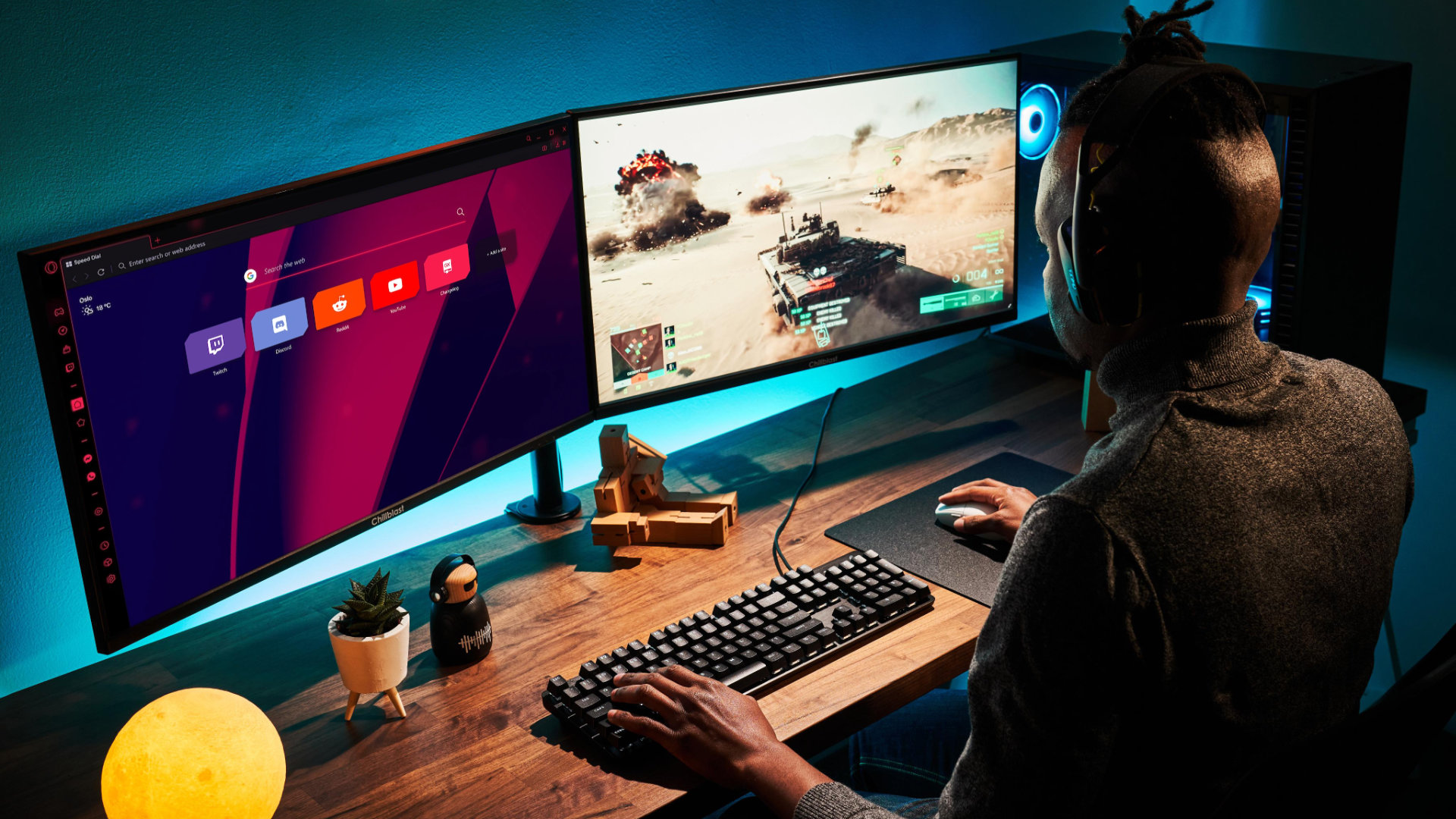
Browser Games Removed Installation
Browser gaming pushed convenience further by reducing or eliminating the need to install dedicated software.
Earlier browser games were often relatively simple, but web technology has become much more capable. Modern browsers can support sophisticated graphics, audio and interactive experiences while working across numerous devices.
The Mozilla Developer Network documents technologies available for web game development, including graphics and audio tools that allow developers to build increasingly complex browser experiences.
For players, however, the most important feature may simply be speed. Clicking a link can sometimes be enough to begin playing.
Smartphones Put Games Almost Everywhere
Mobile gaming changed access in another fundamental way: the gaming device became something people were already carrying.
A console traditionally required players to sit in front of a television, while desktop gaming usually meant staying at a computer. Smartphones allowed games to fill shorter periods of free time, from commuting to waiting for an appointment.
This influenced game design as well. Touch controls, shorter sessions and interfaces designed for small screens became increasingly common.
Developers began creating experiences specifically around the way people use phones rather than simply shrinking traditional games.
Cloud Gaming Could Remove Another Barrier
Cloud gaming attempts to separate demanding games from expensive local hardware. Instead of processing everything on the player’s device, much of the computing work can happen remotely while the resulting experience is streamed over an internet connection.
The concept could make high-end gaming accessible on a wider range of screens, although connection speed and latency remain important factors.
It represents another step in the same direction gaming has followed for decades: removing obstacles between the player and the experience.
Convenience Has Changed What Players Expect
Each generation of gaming technology has made certain inconveniences of the previous one seem increasingly strange. Coins gave way to home consoles, physical media was joined by downloads, and installations can now sometimes be replaced by browser or cloud access.
Yet older formats continue to attract enthusiastic audiences. Retro consoles, arcade cabinets and physical game collections offer experiences that convenience alone cannot replace.
The future of gaming may therefore not be about eliminating older ways to play. Instead, it is giving players more choices about when, where and how they enter a game.
The biggest transformation has not simply been better graphics or more powerful hardware; it has been making the journey from wanting to play to actually playing shorter than ever.