
People love pretending that online casinos invented the art of taking your money one tiny payment at a time.
In reality, the business model existed decades earlier — hidden inside loud, glowing arcade cabinets that lived in shopping malls, pizza places, and dark little game rooms that gave off the smell of like soda and overheated electronics.
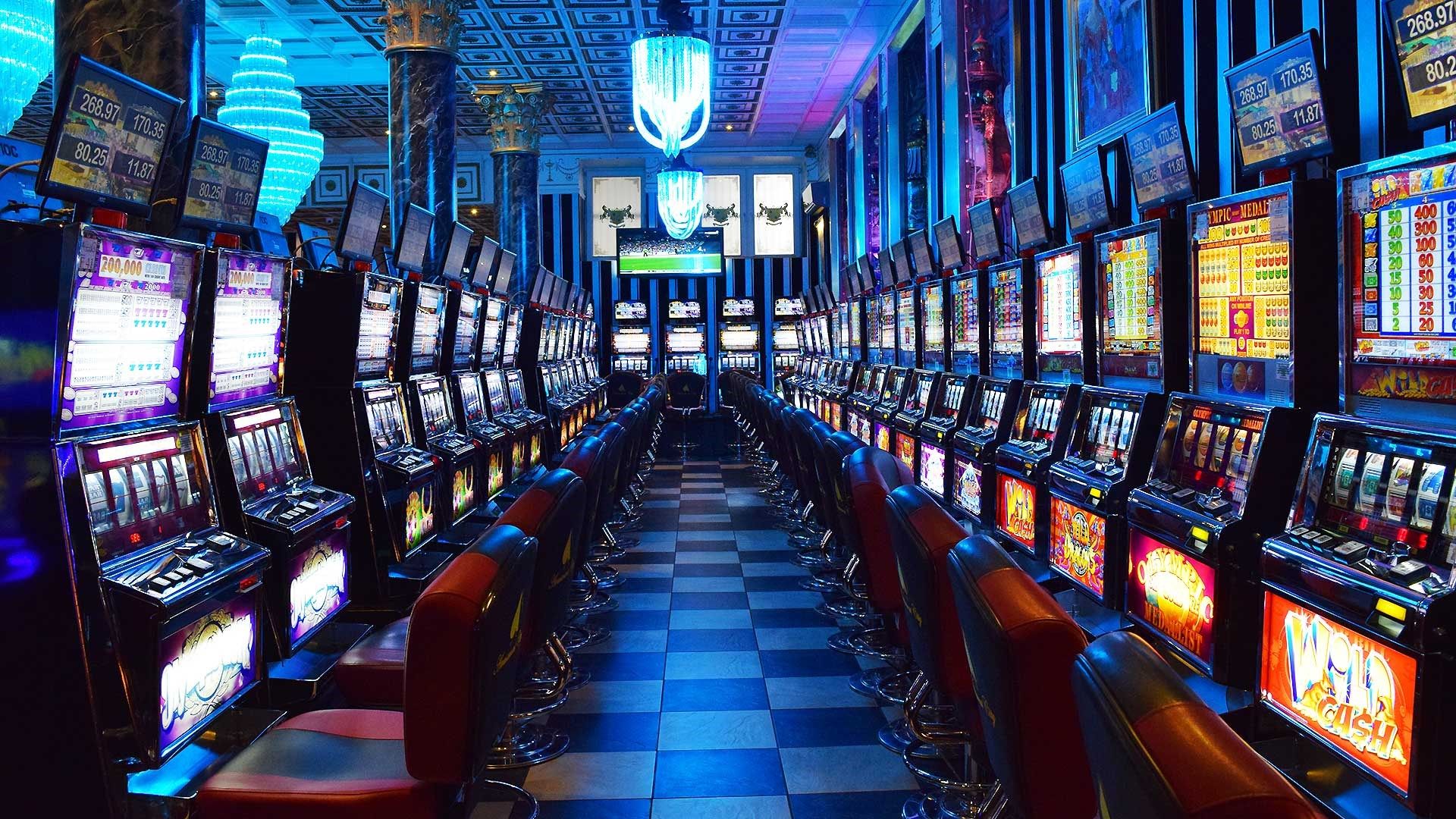
Even modern platforms, including online casinos from Vegas Odds, still rely on many of the same psychological tricks arcade machines mastered decades ago.
The technology evolved, the graphics improved, and the jackpots became bigger, but the core idea never really changed: keep players entertained long enough that they always feel the next attempt might finally be the lucky one.
If you grew up during the golden age of arcade gaming, you already understand the feeling. You walk in with a pocket full of coins and leave two hours later emotionally destroyed, financially unstable, and somehow still convinced the next run would have been “the one.”
Sound familiar?
The Coin Slot Was the first Deposit Screen
Today’s online casinos ask for a deposit through PayPal, debit cards, crypto, or digital wallets. Arcade machines had a much simpler system: physical coins disappearing at an alarming rate.
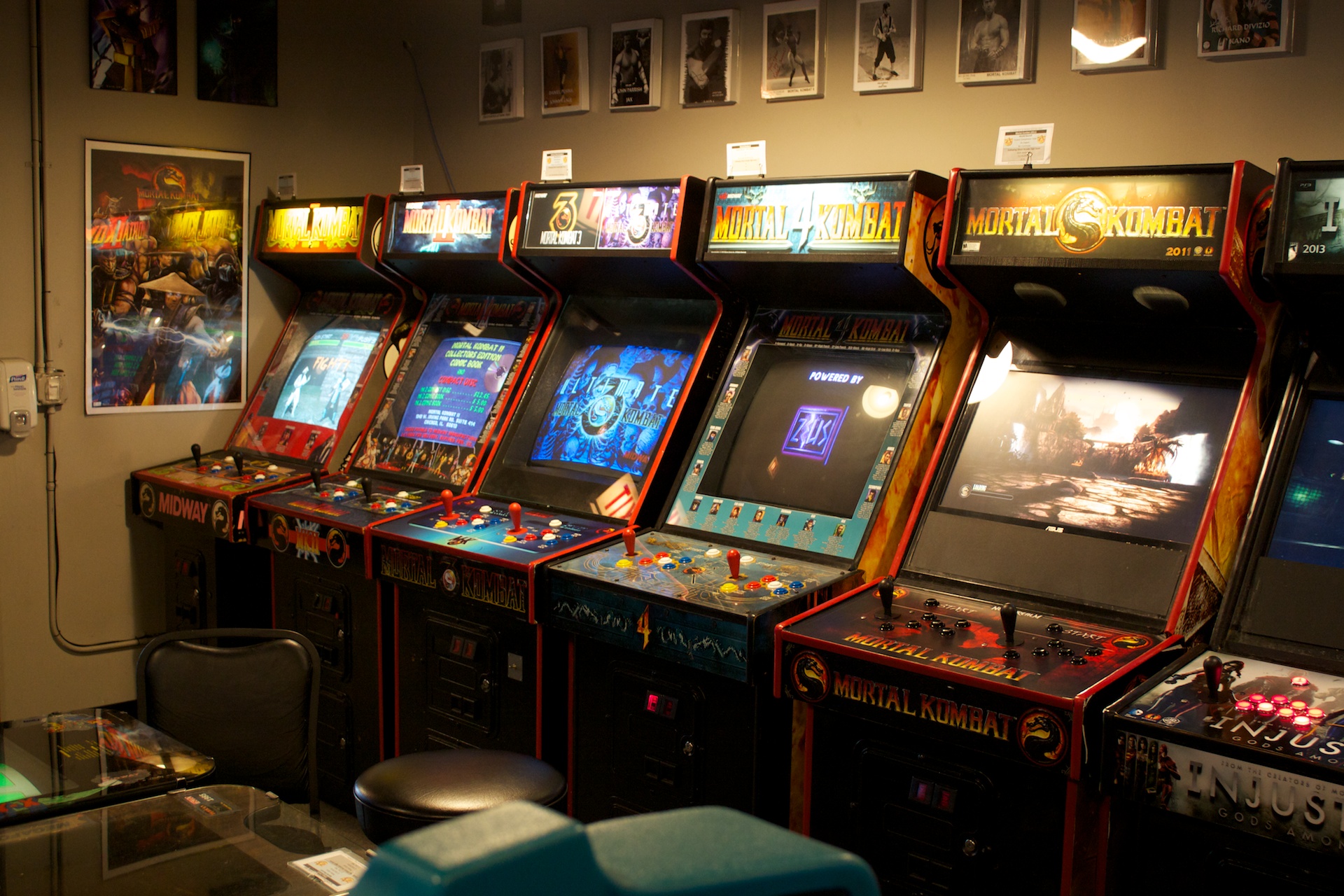
One minute you felt rich holding ten quarters. Ten minutes later you were standing in front of Mortal Kombat wondering how your entire budget gone before you even learned two special moves.
Arcades were built around speed and repetition. Lose quickly, pay quickly, start again immediately. It’s the exact same cycle modern casino platforms rely on, only back then nobody called it “player retention.” It was just called Friday night.
The genius of arcade machines was how little downtime existed between failure and hope. You lost, but the game instantly invited you back in.
CONTINUE?
9…
8…
7…
That countdown probably created more bad financial decisions than most casino ads ever could.
“One More Try” Was the Entire Business Model
Games like Pac-Man and Galaga looked simple enough that failure always felt temporary. You never blamed the game. You blamed yourself.
“That death was stupid.”
“I almost had the boss.”
“One more game and I’ll beat it.”
Then suddenly you’ve spent enough money to buy an actual dinner.
Arcade designers understood something modern casinos understand perfectly: players will tolerate losing if they believe success feels close. The illusion of progress is incredibly powerful. Even brutally difficult games managed to convince people victory was always one attempt away.
Most of the time it wasn’t.
Arcade Difficulty Was Not an Accident
Retro gamers love talking about how hard old games were, but many people forget there was a financial reason behind it.
Arcade cabinets were businesses. Their entire purpose was to keep coins flowing. That meant games needed to be challenging enough to end quickly while still feeling fair enough to encourage another attempt.
It’s why games similar to Ghosts ‘n Goblins became legendary for their difficulty. Some levels came across less like entertainment and more like psychological experiments crafted by someone who hated children.
The formula was simple. Make the first few minutes exciting, build confidence, increase difficulty suddenly, eliminate the player, and repeat until the wallet is empty.
Honestly, replace “wallet” with “casino balance” and the structure still works today.
Bright Lights and Dopamine Hits
Modern online casinos spend enormous amounts of money designing sound effects, animations, and reward systems that trigger excitement. Arcades were already doing that in the early 1980s.
Every part of an arcade cabinet was engineered to grab attention. Flashing buttons, attract screens, victory sounds, high score displays, and dramatic music all worked together to keep players locked in.
Even the sound of inserting a coin became part of the experience.
Games like Space Invaders and Street Fighter II created sensory overload before that term became trendy in marketing meetings.
The funny thing is, arcade players never questioned it. We happily stood inside rooms full of blinking lights and aggressive sound effects while our brains got absolutely cooked by dopamine.
And we loved every second of it.
High Scores Were Basically Mini Jackpots
Online casinos push tournaments, rankings, and progressive jackpots because competition keeps players involved. Arcades figured that out years earlier through high score boards.
Nothing motivated players more than seeing somebody else’s initials at the top of the machine.
That wasn’t just a score.
That was disrespectful.
People spent serious money trying to reclaim leaderboard spots. Entire rivalries formed around local arcade machines. Some players became minor celebrities simply because they dominated a specific game.
In a weird way, high scores created the same emotional loop casinos chase today: risk, reward, recognition, and obsession.
Except arcade winners usually earned bragging rights instead of cashback bonuses and suspicious VIP emails.
The Biggest Difference Was Social Pressure
One thing separated arcades from modern online casinos: losing happened in public.
Arcades were social spaces. If you failed badly, everybody saw it. Sometimes an older kid would step forward, crack his knuckles dramatically, and beat your favorite game without losing a single life. It was humbling experience.
Online casinos removed that public side completely. Now people can play quietly from home after midnight in sweatpants.
Technology really changed the experiance.
Final Thoughts
Arcade machines and online casinos share more DNA than most people realize. Both rely on anticipation, excitement, repetition, near victories, and the dangerous power of “just one more try.”
The biggest thing that arcade machines gave us is the legendary games, unforgettable memories, and occasionally a cool soundtrack.