
Few things capture the essence of play quite like the moment a game rewards you — the flash of lights when you beat a boss, the satisfying jingle when coins pour out, the rush of unlocking a hidden level. These moments don’t happen by accident.
They’re the result of decades of game design built around how the human brain responds to reward. And if you look closely, many of those same principles run through both classic video games and today’s online casino slots.

The Psychology Behind Classic Arcade and Console Games
Whether you’re mashing buttons on an old-school NES platformer or spinning reels on a modern online platform, you’re engaging with what psychologists call a variable ratio reinforcement schedule.
The concept is simple: rewards arrive at unpredictable intervals, and that unpredictability is exactly what makes them compelling.
Classic arcade machines understood this instinctively — bonus stages, hidden power-ups, and extra lives appeared just often enough to keep players chasing one more run.
What Retro Games Got Right About Engagement?
The designers of 8-bit and 16-bit games were behavioural psychologists in disguise. They built in progressive difficulty curves, secret passages, and unlockable content to keep players coming back day after day.
If you’ve ever sat down to play classic retro games online, you’ll notice immediately how those mechanics still hook you — even decades after the cartridges first shipped. The games are older; the reward loop they’re built on is timeless.
Sound, Colour, and Feedback Loops
Retro game designers also leaned heavily on audio-visual feedback. Every coin collected, every enemy defeated, every level cleared came with a distinct sound and visual cue.
These feedback loops are core to why retro gaming remains so satisfying. They signal progress immediately and unambiguously, giving the brain a clear hit of satisfaction that keeps players engaged.
How Online Slots Borrowed from Gaming’s Playbook?
Modern video slots didn’t just take inspiration from movies and pop culture — they borrowed directly from video game design philosophy. Bonus rounds mirror mini-games.
Cascading wins echo chain combos. Detailed storylines and animated characters come straight out of the RPG tradition.
The result is a hybrid entertainment experience that feels immediately familiar to anyone who grew up with a controller in their hands.
Volatility: The Difficulty Setting of Slots
Just as different games appeal to different player types — some prefer precision platformers, others like open-world sandbox games — slots come in varying volatility levels. High-volatility slots pay out less frequently but in larger amounts; low-volatility slots deliver more frequent, smaller wins.
This is the direct descendant of difficulty settings: different risk-reward profiles catering to different player personalities. It’s an elegant parallel that makes online slots intuitive for gamers.
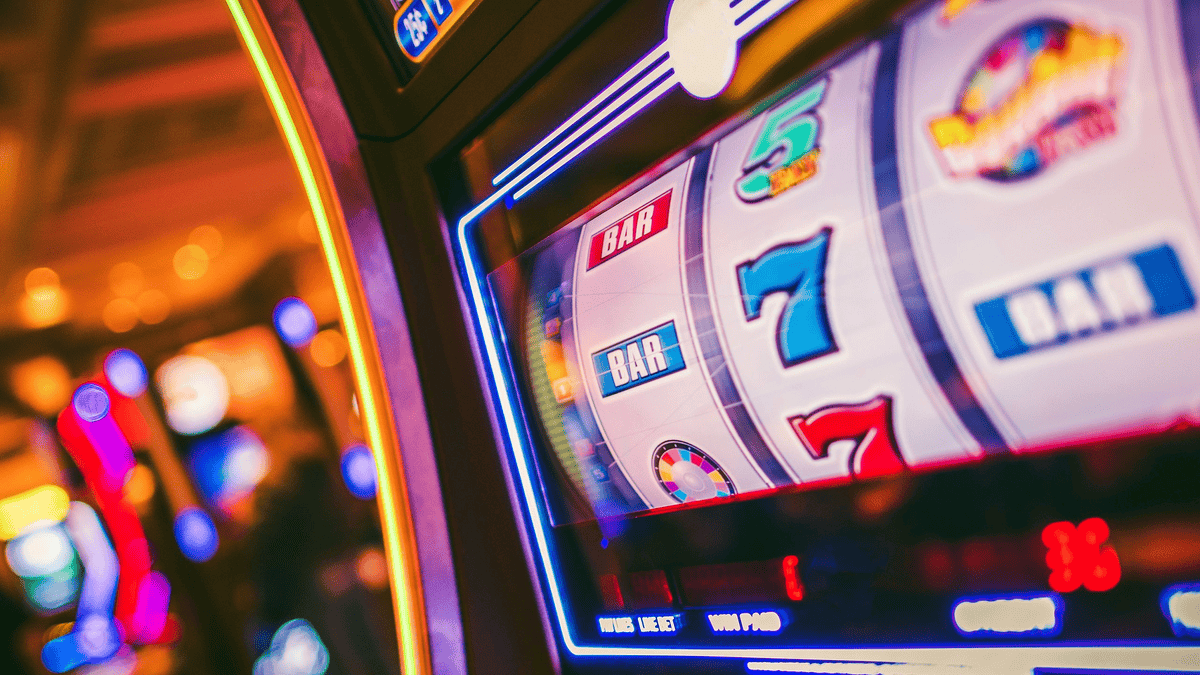
The Regulated Online Gaming Landscape in Ontario
Canada’s online gambling landscape shifted significantly in April 2022, when Ontario launched a fully regulated iGaming market.
All legal operators must now meet strict standards set by the Alcohol and Gaming Commission of Ontario (AGCO), including mandatory responsible gambling tools, transparent odds, and fair-play certification.
Players in the province can legally access online slots in Ontario through licensed platforms, with consumer protections that simply didn’t exist in the old grey-market era.
For gamers accustomed to the structured, regulated world of console gaming — where ratings boards and platform standards provide a layer of oversight — Ontario’s iGaming regulation offers something similar: a framework that prioritizes player safety alongside entertainment.
What Gamers Should Know Before They Cross Over?
The crossover appeal between retro gaming and online slots is real. The same instincts that keep you playing “just one more level” translate directly to spinning reels.
The key distinction is stakes: with video games, the cost is your time; with real-money gaming, actual money is involved.
Understanding what draws you in — the reward loop, the visual stimulation, the tension of uncertainty — helps you engage with any game more intentionally, whether it’s a classic platformer or an Ontario-licensed casino platform.
FAQs
Are online slots in Ontario legal?
Yes. Ontario launched a fully regulated iGaming market in April 2022. Licensed operators can legally offer slots, table games, and other casino games to players aged 19 and over in the province.
Do online slots use the same psychological principles as video games?
Significantly, yes. Both rely on variable reinforcement schedules, audio-visual feedback loops, and progressive reward structures to maintain engagement. The underlying mechanics overlap considerably.
What’s the difference between high- and low-volatility slots?
High-volatility slots offer larger but less frequent payouts; low-volatility slots deliver smaller wins more often. Think of it as the difference between a punishing but rewarding challenge game and a more casual, consistent experience.
Are there responsible gambling tools available on Ontario-licensed platforms?
Yes. The AGCO requires all licensed operators to provide deposit limits, session time reminders, self-exclusion options, and links to problem gambling support resources. These aren’t optional extras — they’re mandated by regulation.
Can retro gaming fans find slots that match their aesthetic?
Absolutely. Many modern slots feature deliberately retro aesthetics — pixel art graphics, chiptune-inspired soundtracks, and classic arcade themes. If you grew up with 8-bit games, there’s likely a slot out there that speaks your visual language.
Conclusione
The line between video gaming and online casino gaming has blurred by design — not by accident. Both draw on deep-seated patterns in how people respond to challenge, uncertainty, and reward.
If you understand why retro games kept you coming back for hours, you understand quite a lot about how modern gaming platforms are built.
The underlying psychology is the same; what changes is the medium, the stakes, and the regulatory framework around it.
Whether you’re revisiting 16-bit classics for nostalgia or exploring what Ontario’s licensed online market has to offer, it all comes back to the same thing: the enduring appeal of play.
 English
  Español de México
  Deutsch
  Español
  Italiano
  Português do Brasil