
The Return of Classic PC Games
Over the past few years, many players have started rediscovering classic PC games from the early days of personal computing. Thanks to modern browser technology, it is now possible to run these titles directly online without installing special software or configuring old operating systems.
What once required DOS systems, physical disks, and complicated setup can now be experienced with just a few clicks.
This accessibility has sparked a renewed interest in retro gaming. Some players return to these games because of nostalgia, remembering the titles they played during the early years of PC gaming.

Others discover them for the first time out of curiosity about how video games evolved. In both cases, browser-based versions make it easy to explore gaming history without technical barriers.
However, the appeal of these games goes beyond simple convenience. Many classic titles were built around strong gameplay foundations that still hold up surprisingly well today.
Their simplicity, challenge, and creative design continue to attract players even in an era dominated by advanced graphics and large-scale online worlds.
What Makes Classic Games Different?
One of the most noticeable differences between classic PC games and many modern titles is the focus on core gameplay.
Early developers had limited hardware resources, which meant they could not rely on detailed graphics or cinematic storytelling. Instead, they concentrated on creating mechanics that were engaging, clear, and easy to understand.
Because of this approach, many classic games introduce the player to the action almost immediately. There are usually fewer tutorials, menus, or complex progression systems.
Players learn the rules by playing, experimenting, and improving their skills over time. This design philosophy often results in games that are easy to start but challenging to master.
Another important aspect of these games is their pacing. Many classic titles are designed for shorter sessions where players can quickly jump in, complete a level or a few turns, and come back later. This structure makes them well suited for casual play and quick gaming breaks.
Strategy and Action: Two Timeless Examples
Among the many influential PC games from the DOS era, two titles stand out for their lasting impact: Civilization and Doom.
Although they belong to completely different genres, both games demonstrate how strong gameplay design can remain engaging for decades.
Civilization, created by Sid Meier in 1991, is a turn-based strategy game where players guide a civilization from ancient times to the modern age. The game challenges players to manage cities, develop technologies, explore new lands, and interact with other civilizations.
What makes the experience especially compelling is the long-term decision-making. Every choice—whether related to diplomacy, research, or expansion—can influence the outcome of the entire game.
Players who want to experience this early strategy classic can easily play Civilization online through collections.
On the other hand, Doom represents one of the most important milestones in action gaming. Released in 1993, the game helped define the first-person shooter genre with its fast movement, intense combat, and cleverly designed levels.
Players navigate complex environments while fighting enemies and searching for weapons, keys, and hidden secrets.
Even today, the pacing and level design feel surprisingly modern. Those curious about this piece of gaming history can still play Doom directly in the browser.
Both games highlight how creative design and strong mechanics can create experiences that remain enjoyable long after their original release.
How Modern Browsers Make Retro Gaming Possible
The ability to play classic PC games online is made possible through browser-based emulation. Modern technologies such as JavaScript emulators and WebAssembly allow developers to recreate the original DOS environment inside a web browser.
The browser essentially simulates an older computer system, enabling the game to run just as it would have decades ago.
This approach eliminates many of the difficulties that once came with retro gaming. Players no longer need to search for compatible operating systems or configure special emulation software.
As long as they have a modern browser, the game can run on most computers regardless of the operating system.
Another advantage of this technology is preservation. Many classic games are no longer commercially distributed, and the hardware needed to run them is becoming rare.
By making these games playable online, websites and communities help ensure that they remain accessible for future generations of players and researchers.
Why Retro Games Still Matter Today?
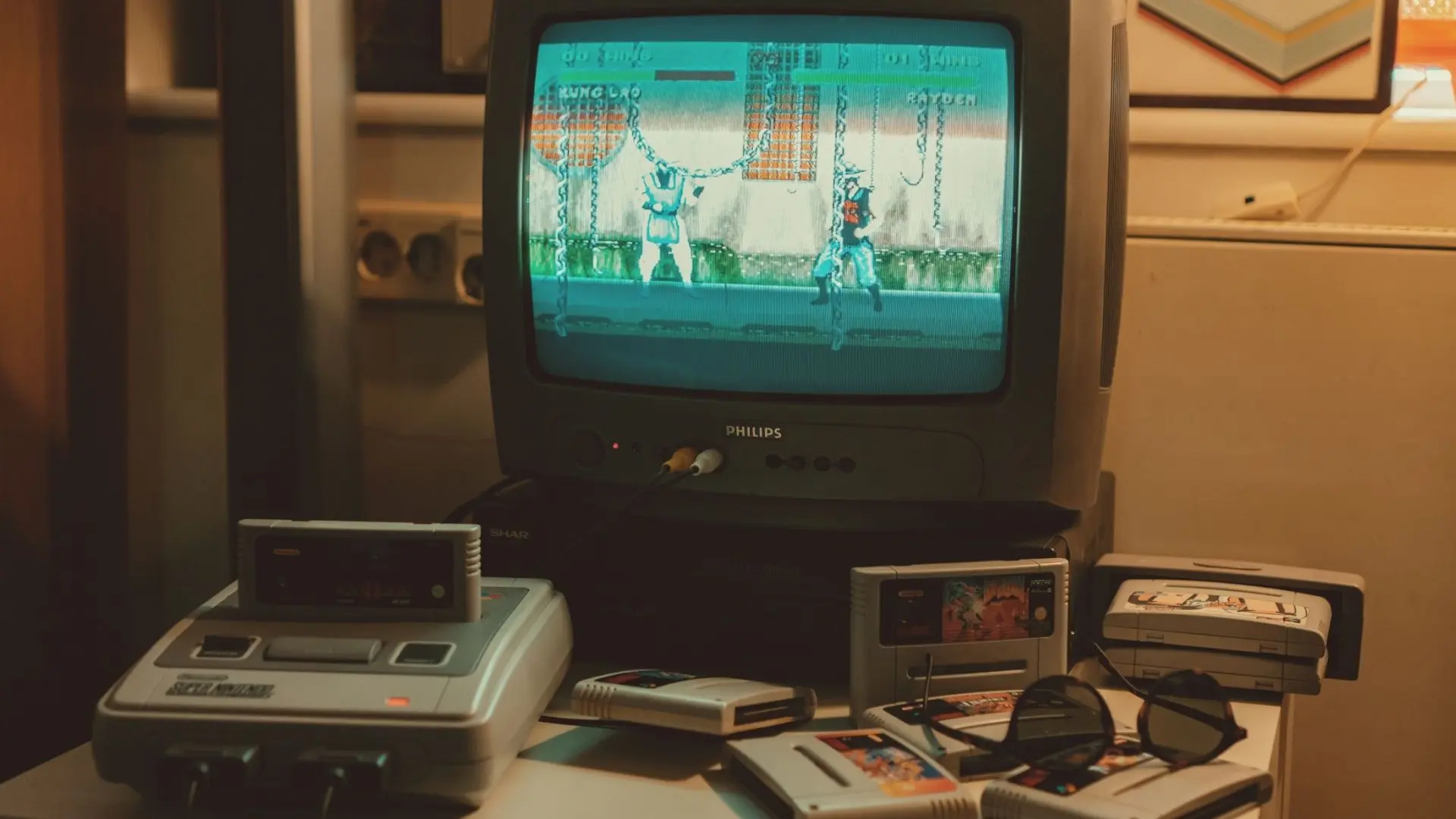
Classic PC games offer more than nostalgia—they provide insight into how video games evolved into the complex experiences we see today. Many of the ideas that define modern gaming were first explored in these early titles.
Mechanics such as level progression, strategic planning, and fast-paced action were refined during this period and later became standard features across many genres.
For players interested in gaming history, exploring these titles can be both educational and entertaining. Retro games demonstrate how creativity and strong design principles can overcome technological limitations.
They also show that engaging gameplay does not always require cutting-edge graphics or massive development budgets.
Being able to play these classics easily in a browser allows anyone to experience the creativity and innovation that helped shape the gaming industry.
Whether someone enjoys strategy, action, or simply learning about the origins of video games, classic PC titles remain an important and rewarding part of gaming culture.
 English
  Español de México
  Deutsch
  Español
  Italiano
  Português do Brasil