
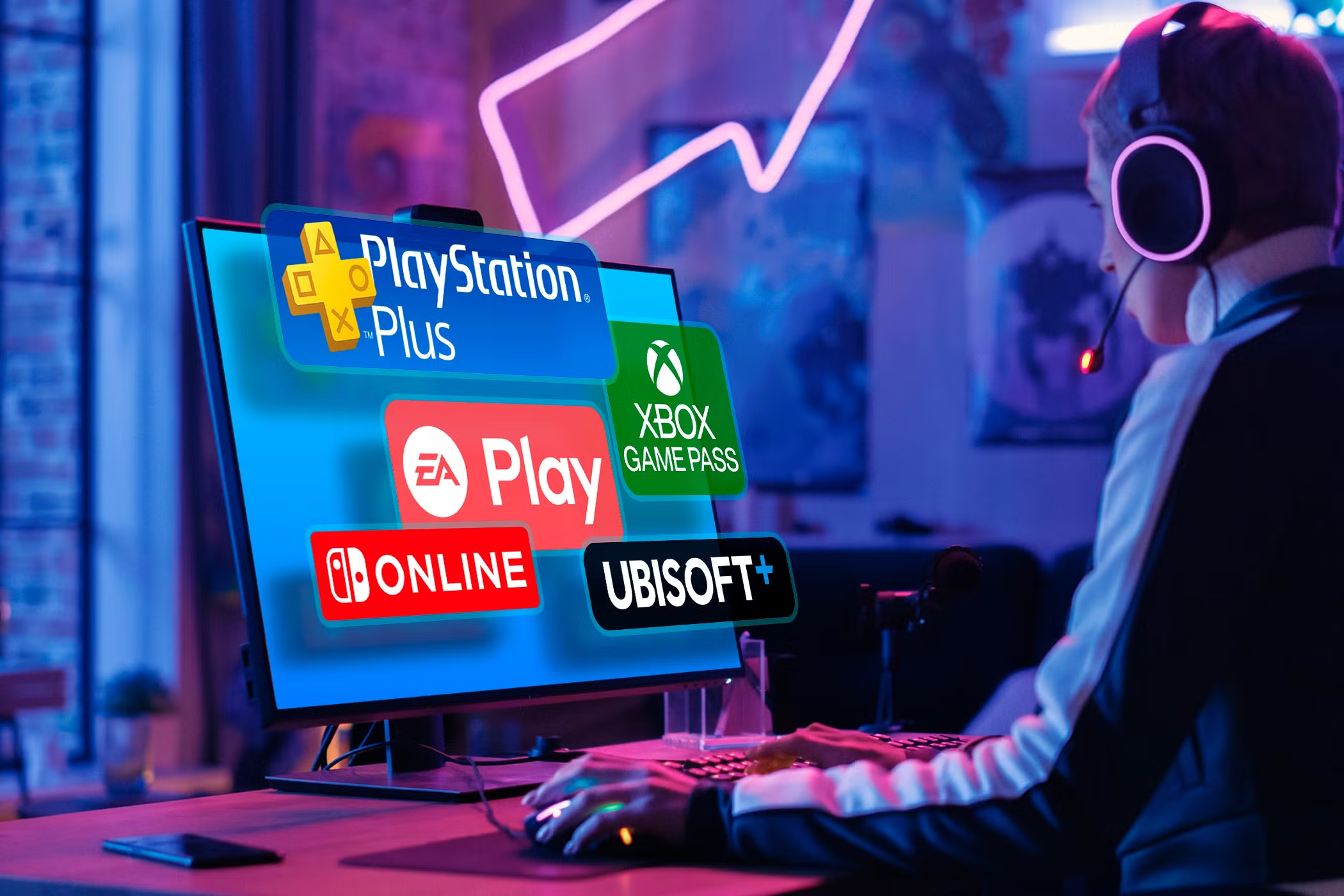
Gaming subscriptions have changed how people play: Instead of buying games one at a time, players now access large rotating libraries through services like Xbox Game Pass and PlayStation Plus.
With tens of millions of users across both platforms, subscriptions are now a normal part of modern gaming. The real question is how much value they actually deliver once you’re subscribed.

What you’re actually paying for each month?
Pricing between Game Pass and PlayStation Plus sits in a similar range. Game Pass Ultimate is usually around $16.99/month, while PlayStation Plus Extra and Premium fall in a comparable bracket depending on region and tier.
The difference shows up in timing. Game Pass includes day-one releases from Microsoft studios. New titles drop directly into the library at launch, which changes how players think about full-price games.
PlayStation Plus takes a slower approach. Big exclusives arrive after launch windows have passed, once they’ve already had time to settle in the market.
If you want a deeper breakdown of how pricing and features compare in practice, this detailed comparison of PlayStation Plus vs Xbox Game Pass covers the differences clearly without the marketing noise.
Across digital entertainment in general, access-based models are becoming more common. Even outside traditional gaming, systems for bitcoin slot games follow a similar logic where long-term value depends heavily on how often you actually engage with the content.
Two very different ways of building a game catalog
Both services offer hundreds of games, but the experience feels different once you start browsing. Game Pass leans heavily into variety.
The library shifts often, mixing major releases with indie titles and experimental projects. It naturally encourages players to try games they wouldn’t normally pick up.
PlayStation Plus feels more curated. The catalog focuses on established franchises and critically strong exclusives. The selection changes less frequently, which makes the experience feel more stable.
Older games highlight the difference even more. PlayStation Plus Premium includes a Classics Catalog featuring older PlayStation titles, leaning into nostalgia and legacy gaming.
Xbox takes a different route with backward compatibility, letting players revisit games they already own across newer hardware.
So the contrast is less about size and more about rhythm. One service constantly rotates. The other holds a more fixed identity.
Cloud gaming and how it performs in real life
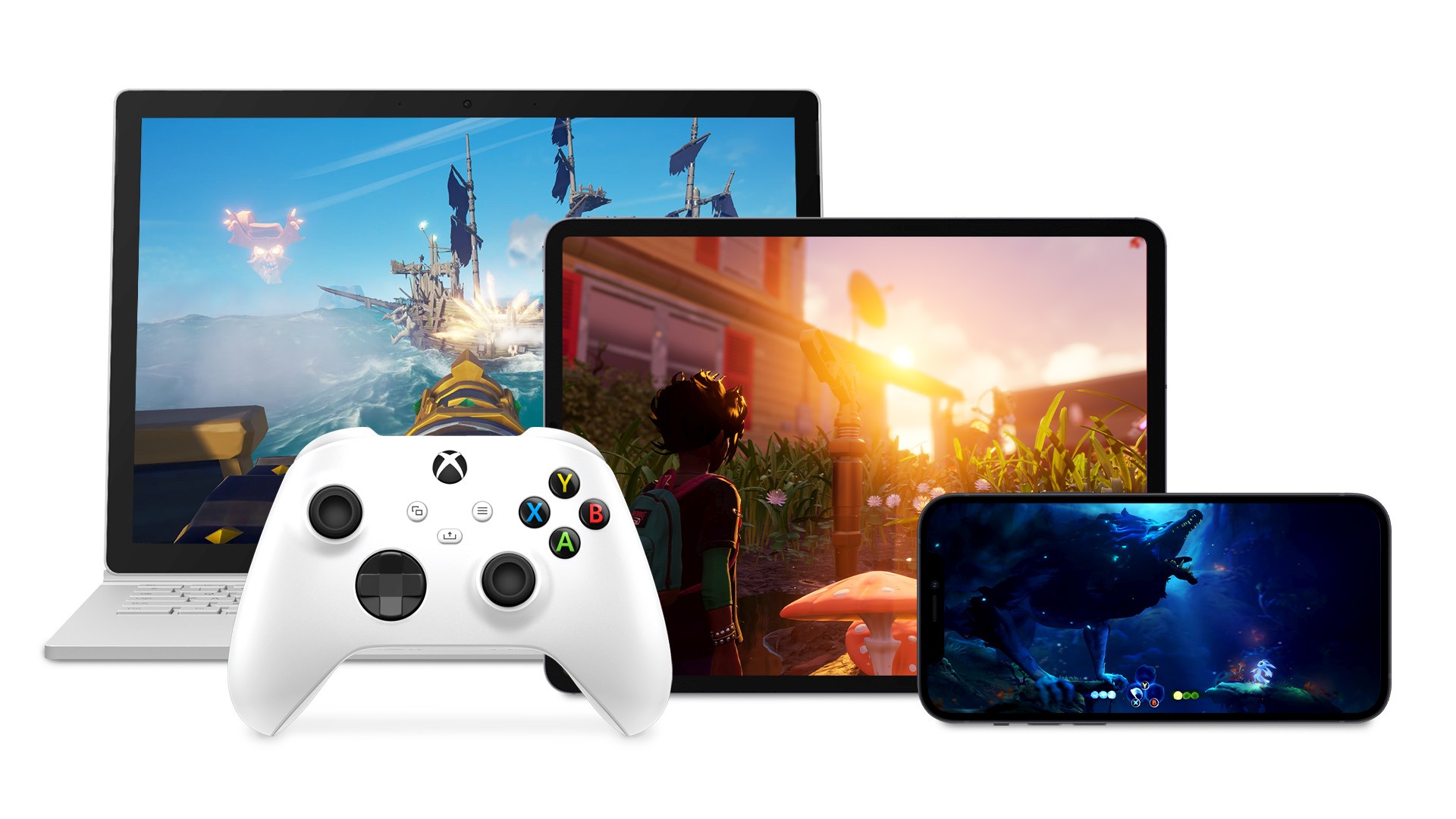
Cloud gaming removes the need for downloads and installations, letting players stream games directly to different devices.
Game Pass currently leads in this space. It works across more devices and feels easier to access, especially for users switching between platforms.
PlayStation Plus Premium also includes cloud streaming, though availability is more limited and depends heavily on region and subscription tier.
Performance is still not fully consistent. It depends on Internet stability, distance from servers, and the game type.
Slower, story-driven games usually handle streaming better, while fast-paced competitive games tend to expose latency more quickly.

Player safety and why it matters in subscription gaming
As more gaming moves into subscription and digital payment systems, account protection becomes part of the experience.
Small mistakes like weak passwords or unsafe payment methods can cause issues that go beyond gameplay, especially when multiple services are linked to the same account.
A practical breakdown of how to avoid scams, protect accounts, and choose secure payment methods is covered in this guide on safer online spending for gamers. It’s especially relevant as more players rely on recurring digital subscriptions.
Security also matters more now because most subscriptions auto-renew in the background without much attention from users.
A compromised account can quietly rack up charges or lock players out of their entire game library. That’s why even basic habits like two-factor authentication make a real difference.
Which type of player each service fits best?
Game Pass works well for players who enjoy trying different games regularly. The constant rotation makes it easy to explore without committing to full purchases.
It also helps reduce decision fatigue since there is always something new ready to download. For players who get bored quickly, that steady flow of options keeps things fresh.
PlayStation Plus suits players who prefer a more consistent library built around familiar franchises and exclusives.
The catalog feels more predictable, which some players actually prefer when they just want to stick to known titles.
Retro-focused players often lean toward PlayStation Plus Premium because of its classics catalog. Players who value flexibility across devices tend to prefer Game Pass thanks to its stronger cloud ecosystem.
So, is a gaming subscription actually worth it?
It depends on how you play. If you’re constantly exploring new games, subscriptions feel like strong value. There’s always something new to try, and the cost spreads across multiple titles.
If you mostly stick to a few games, the value becomes harder to justify over time. The library matters less than what you actually launch.
Game Pass stands out for variety and day-one releases. PlayStation Plus stands out for curated exclusives and retro content.
The size of the library looks impressive on paper. What really matters is whether it fits your habits well enough to stay worth paying for month after month.