
If you’ve ever replayed the same level twice and had completely different outcomes, you’ve experienced the impact of a random number generator — better known as RNG.
RNG systems are built into most digital games. They control everything from enemy spawn patterns and loot drops to critical hit chances and procedural map generation. While the results can feel unpredictable in the moment, they aren’t truly chaotic.
Behind the scenes, they operate on structured mathematical models designed to simulate randomness while maintaining balance.

What an RNG Actually Does?
At its core, a random number generator produces a sequence of values that determine in-game outcomes. In modern systems, this is typically handled by pseudorandom number generators (PRNGs), which rely on algorithms rather than physical randomness.
The results appear random to players, but they are generated through formulas that ensure consistent statistical behavior over time.
For example, when a game assigns a 10% chance for an item to drop, the system isn’t “deciding” emotionally whether you deserve it.
It simply runs a calculation that falls within a predefined probability range. Over hundreds or thousands of attempts, that drop rate should approximate the expected percentage.
Short-Term Variance vs Long-Term Balance
One of the most misunderstood aspects of RNG systems is variance. In the short term, results can swing heavily in one direction. You might see rare loot drop twice in a row — or not at all for hours.
However, over extended sessions and larger sample sizes, outcomes begin to stabilize. These systems are designed around long-term statistical return models rather than session-based guarantees.
For readers interested in how long-term return percentages function in digital probability models, this RTP guide provides a clear breakdown of the underlying math.
Understanding this distinction between short-term fluctuation and long-term balance helps explain why randomness can feel streaky even when it’s functioning correctly.
Why Developers Rely on Controlled Randomness?
Game designers use RNG for several reasons:
- To increase replay value
- To prevent predictability
- To introduce risk and reward dynamics
- To balance competitive environments
Without randomness, gameplay would quickly become mechanical and solvable. With too much randomness, skill becomes irrelevant. The key is controlled probability — systems that feel dynamic while remaining mathematically structured.
Many competitive and strategy-based games fine-tune these probabilities carefully to ensure fairness. Even small percentage adjustments can dramatically change player perception over time.
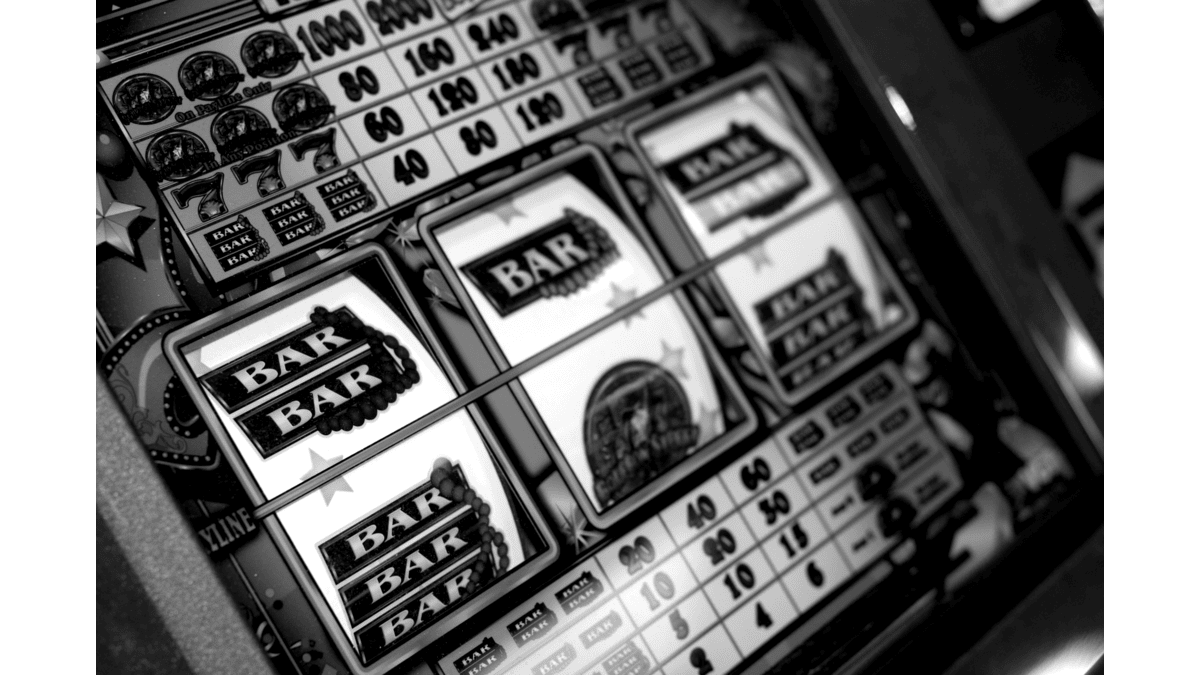
The Psychology of Random Outcomes
Humans are naturally wired to look for patterns, even when none exist. This is why players often believe they are “due” for a rare drop or feel that a system is broken after a losing streak. In reality, most properly built RNG systems operate independently of previous results.
Understanding how probability accumulates over large samples can help players approach games more rationally. Instead of interpreting outcomes emotionally, it becomes easier to recognize the statistical framework at work.
Final Thoughts
Random number generators are not chaotic forces. They are structured mathematical systems designed to simulate unpredictability while preserving long-term balance.
Whether controlling loot tables, combat outcomes, or procedural environments, RNG plays a central role in shaping player experience.
When viewed through a probability lens, the apparent unpredictability of digital games becomes far more understandable — and far less mysterious.
 English
  Español de México
  Deutsch
  Español
  Italiano
  Português do Brasil