Long before Pokémon TCG Pocket put booster packs on everyone’s phone, there was a Game Boy cartridge that tried to do the same thing with 8-bit sprites and an infrared port.
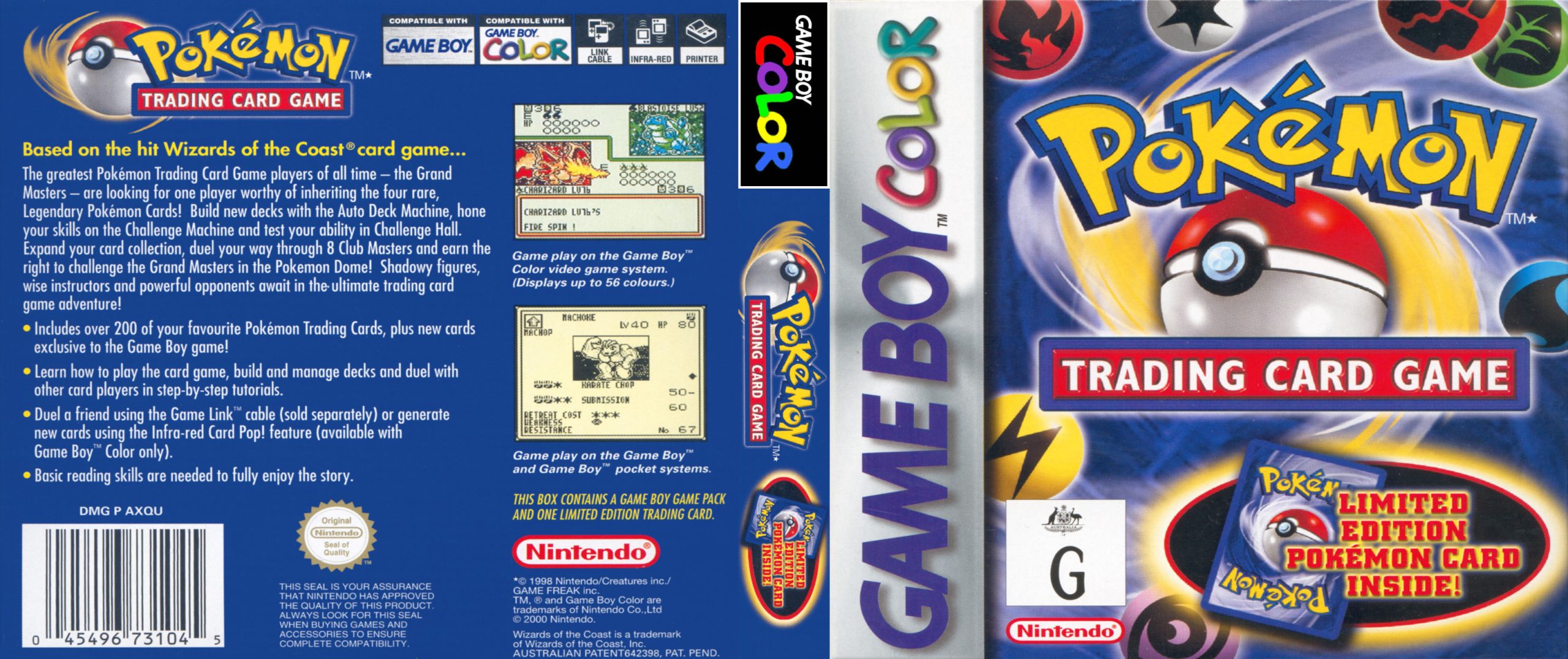
Pokémon Trading Card Game came out in Japan in December 1998, then reached North America in spring 2000 and Europe at the end of that year.
It was developed by Hudson Soft and Creatures, the studio behind the real card game, and it’s still one of the most faithful adaptations of a tabletop game ever squeezed onto a handheld.
What made it work?
The premise was simple. You play as a kid named Mark who wants to collect the four Legendary Cards. To get them you beat eight Club Masters, each running a deck built around one type, then take on the four Grand Masters. Your rival Ronald pops up along the way to steal your thunder.
The rules were the real card game’s rules, unchanged. Energy attachment, retreat costs, the bench, prize cards, weakness and resistance. If you learned the Game Boy version, you could sit down at a kitchen table with paper cards and play a real match.
That was the clever part. In 1999 and 2000, plenty of kids had the cards but nobody to teach them the rules. Most playground “matches” were just two kids comparing HP. The Game Boy game quietly fixed that.
It also handed out boosters as rewards, so the thrill of opening packs was baked in. And with the Game Boy Color’s infrared port you could use Card Pop!, pointing two consoles at each other to get a random card, even a rare one.
The cards the game kept for itself
Some of the most memorable cards in the game were never in packs at the time. The Legendary Cards themselves, Zapdos, Moltres, Articuno and Dragonite, were the endgame prize.
Japan got a sequel in 2001, Pokémon Card GB2: Great Rocket-dan Sanjō!, which added a Team Rocket storyline. It never got an official English release, which is a big reason it still has a cult following among fans who’ve played it through fan translations.
The promo card in the box
The North American release came with a bonus physical card: a Meowth promo, numbered 10 in the Wizards of the Coast Black Star Promo set. Its attack, Pay Day, was a nod to the anime Meowth’s love of money.
Most kids took it out of the box, played with it, and stuck it in a binder or a drawer. That’s exactly why it’s interesting today. A raw copy in near-mint condition sells for around $75 on CardTrack, which tracks Pokémon card prices from real sales.
A perfect PSA 10 copy is a different matter, with a value of around $13,000. The gap is huge because a card that came packed loose in a game box, and then lived through a childhood, almost never survives in perfect shape.
If you still have your copy of the game, check the box. The card might still be in there.
From the Game Boy to the phone
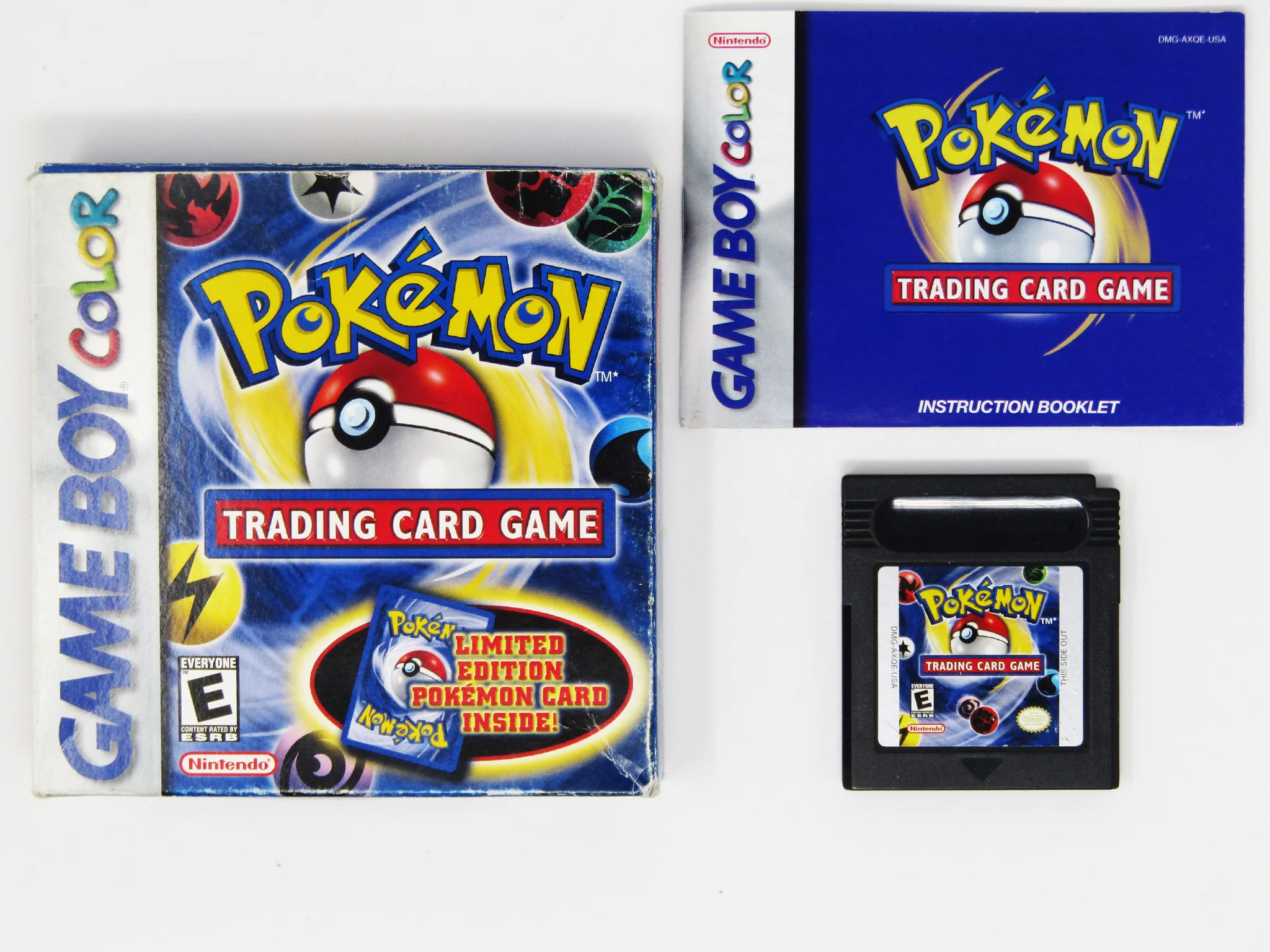
It took a long time for Pokémon to get back to a digital collecting game that felt as natural as the Game Boy version. There were online versions for competitive play, but they always felt more like practice tools than games.
TCG Pocket, released in October 2024, went the other way, with simplified rules, a daily pack, and a focus on collecting and showing off art. It’s a very different game, and arguably closer to the fun of opening packs than the 1998 cartridge ever was.
But for anyone who learned to play from a Game Boy Color in the back of a car on a long drive, that old cartridge is still the one that taught them the real game.