
Crash games have become quite common on gaming platforms, and their rules are simple – as a multiplier increases, players decide whether to cash out. The round ends when the game crashes.
Cashing before the crash locks in a return, and waiting too long means losing the stake; this concept of risk increasing as the reward grows has been around for a while.
The DNA of Risk and Reward
Crash games do not have one universally documented predecessor in traditional gaming. Instead, they share characteristics with several older formats.
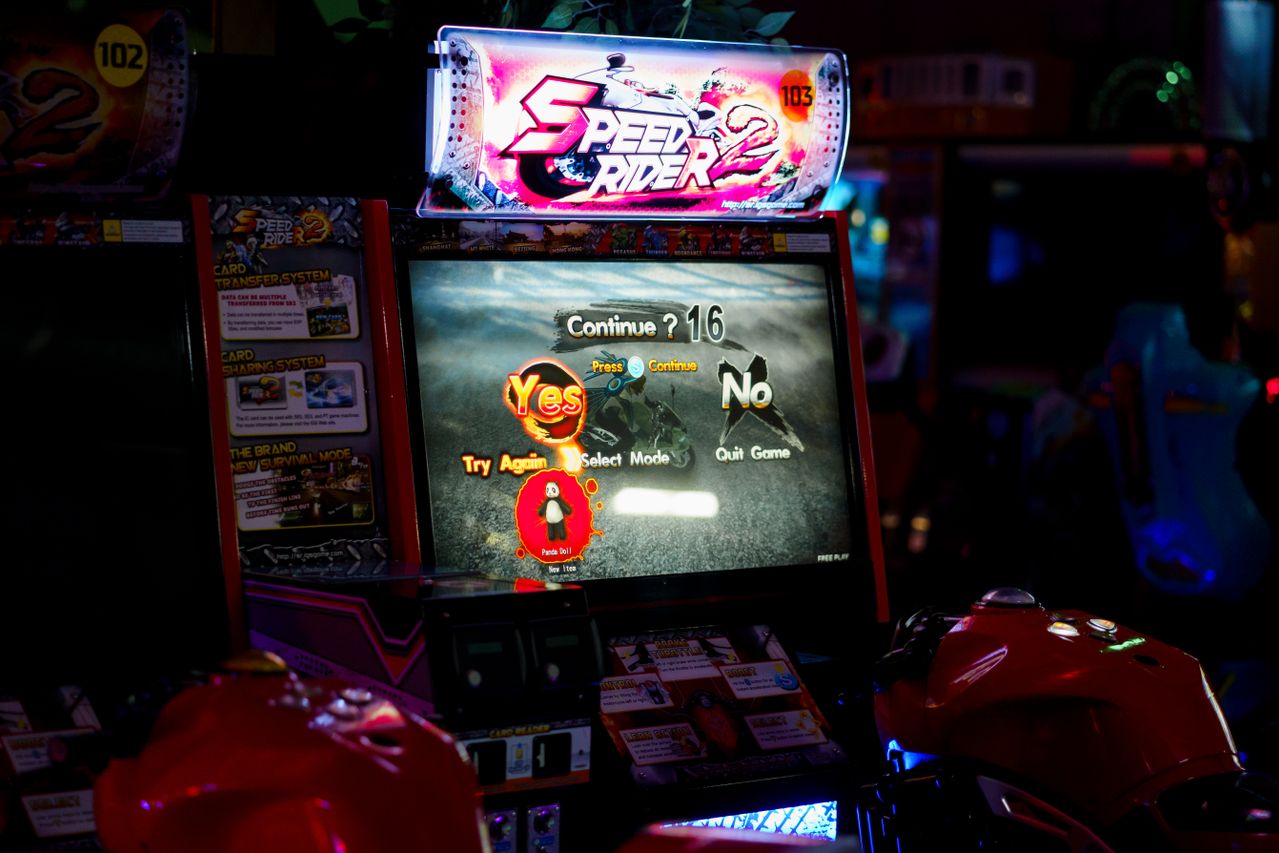
For example, arcade games pushed players’ performance further while avoiding failure. Players kept chasing a higher score regardless of the increasing difficulty, knowing that one mistake ends the game.
Crash games, like Stake casino crash games, create a similar tension, but their outcomes are governed by gambling mechanics, not arcade playing skill.
Then, there are traditional gambling games, such as roulette and dice. They revolve around uncertain outcomes, while double-or-nothing wagers invite players to risk a potential gain for the possibility of a larger one.
Crash games also combine uncertainty with a continuing decision: whether to secure the current multiplier or remain in the round.
These parallels explain why the format feels similar, but they don’t mean that crash games are derived directly from arcade games, roulette, or other titles.
The catch with crash is its combination of a rising multiplier, unpredictable stopping point, and a shared round where participants make cash-out decisions while watching game progression.
From Bitcoin Experiment to Crash-Game Pioneer
In July 2014, developer Eric Springer introduced MoneyPot to the BitcoinTalk community. The game used a remarkably simple interface: a multiplier climbed, players placed Bitcoin wagers, and each participant had to cash out before the round ended.
The design was simple, and there were no recognizable characters. Instead, the main point of the game was the decision itself. Players simply watched the number on the screen rise and weighed the possibility of a larger return against the risk of losing their stake.
Soon enough, the cryptocurrency community got interested in MoneyPot. The game recorded about 250,000 rounds and 180 $BTC in wagers by September 2014.
What’s more, this format seemed perfect for an audience already familiar with volatile crypto markets. Bitcoin prices could rise sharply and fall just as quickly, making the idea of watching a multiplier climb before an abrupt collapse easy to understand.
Bustabit and the Importance of Transparency
The development of MoneyPot established the foundations for the modern crash game format. In 2015, Springer sold the project to Ryan Havar, who rebranded it as Bustabit.
Bustabit introduced provably fair systems, where cryptographic methods allow players to verify certain aspects of a game’s results after a round, using information such as cryptographic hashes and previously committed seeds.
This technology addressed one of the top concerns in online gambling: can the player know and check if a game result has been manipulated?
These game mechanics later expanded to online casinos. Operators presented the game as a rising graph, a rocket launch, or an object moving in a fictional environment. The designs differed, but the central idea remained the same.
Aviator and the Visual Transformation of Crash Games
A major milestone arrived in 2019, when Spribe introduced Aviator. This crash game offered a more polished and recognizable design. It featured a red airplane rising as the multiplier increased, changing an abstract multiplier into an animation players followed.
Aviator also helped introduce crash games to a wider online casino audience. Other game developers then followed with their own interpretations, such as JetX and Spaceman.
At this point, players had a genre that could accommodate different themes without abandoning its basic mechanics.
One Mechanic, Many Different Skins
Today, crash games show how much a game design can change without it affecting the basic structure. Modern crash games may feature aircraft or rockets in a futuristic environment. Some keep the minimal interface, while still emphasizing interaction. The basics of the game remain:
- A player places a wager before the round begins
- A multiplier increases as the round progresses
- The player decides whether to cash out
- If the game crashes first, the wager is lost
The crash point is determined by the game’s random outcome system, rather than the player’s ability to react to the animation.
Provably fair systems are also still present and ensure the game wasn’t manipulated by the platform, usually by determining the result even before the game begins.
This is quite different compared to arcade games, where players could improve results through practice, timing, and mastery.
To Conclude
Today’s crash games came to be based on several kinds of games, starting with arcade games, but also including roulette and dice.
And what was once a simple theme with a rising multiplier now offers interesting interfaces and experiences.
It was the cryptocurrency community that pushed for a wider adoption of these games, and they’re now present across online casino operators.
The good thing is that provably fair systems remained important, and players can verify the game outcomes at any moment.