
For more than three decades, Madden NFL has evolved alongside the sport it represents. What began as a relatively simple football simulation has become a connected platform encompassing team management, individual careers, competitive play, live content, and increasingly authentic NFL presentation.
Some additions delivered short-term excitement. Others permanently changed how players approached the franchise.
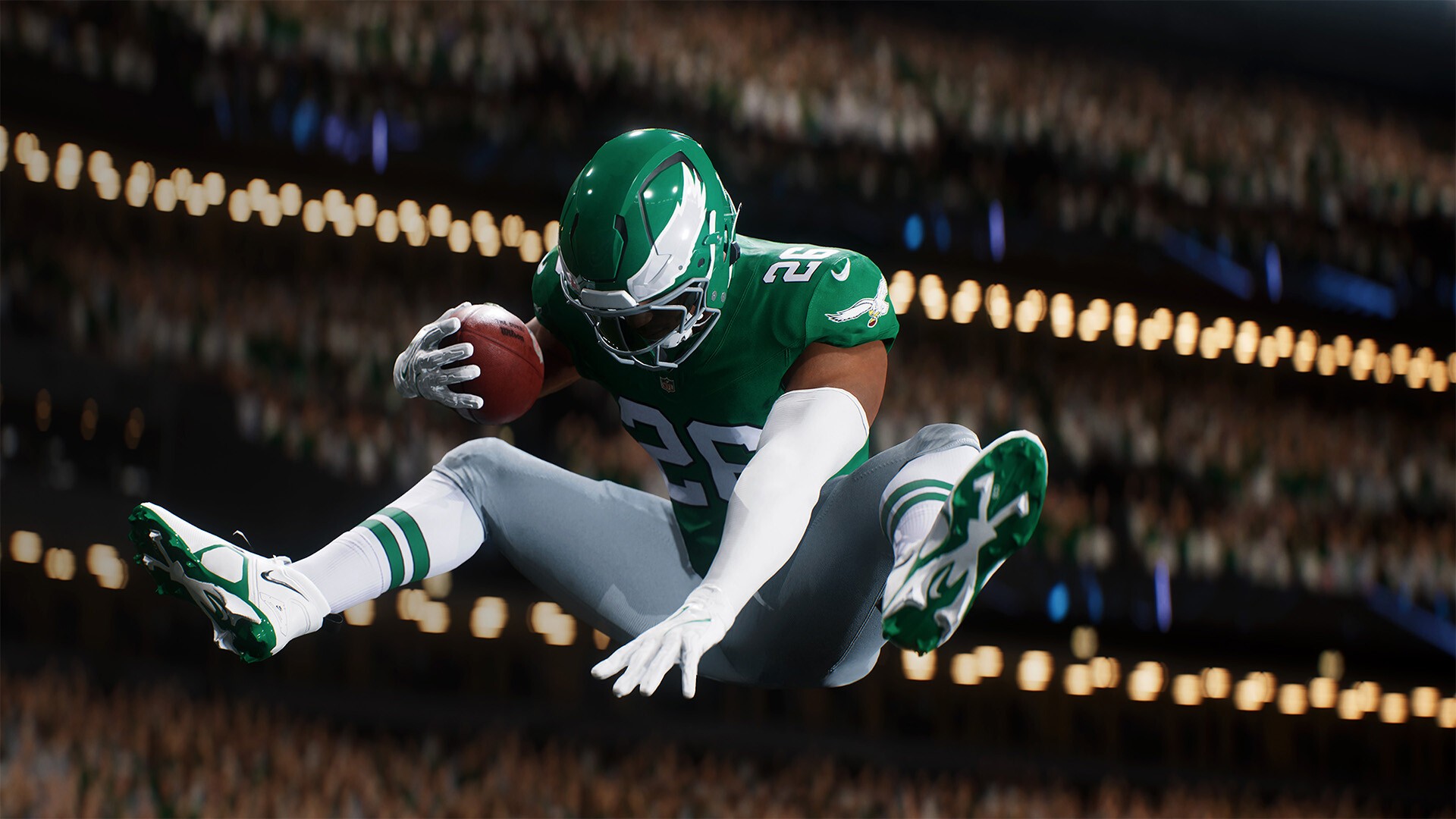
Franchise Mode Put Players in Charge
The arrival and expansion of Franchise Mode transformed Madden from a series of standalone games into a long-term football experience.
Players could take control of an organization, manage rosters, navigate the draft, negotiate contracts, develop talent, and chase multiple championships.
Over time, scouting systems, coaching decisions, player progression, free agency, and relocation options added greater depth. The mode gave fans the opportunity to test their football knowledge away from the field, making front-office strategy nearly as important as play-calling.
If you visit DraftKings, you can see that the odds for the upcoming NFL season are very closely aligned with ratings of the teams and players, highlighting just how much research goes into the game.
Its enduring popularity reflects a simple appeal: winning one Super Bowl is rewarding, but building a dynasty is even better.
Ultimate Team Created a Year-Round Game
Madden Ultimate Team, commonly known as MUT, introduced a collectible team-building structure that fundamentally changed the franchise. Players could assemble customized rosters using current stars, legends, special editions, and themed player items.
Challenges, competitive events, rotating programs, and seasonal rewards turned Madden into a continuously updated service rather than a game experienced only at launch.
With NFL fans already accustomed to tracking player performances and fantasy results, Ultimate Team offered another way to engage with football throughout the season.
MUT also encouraged players to experiment. A lineup could combine athletes from different teams and generations, creating matchups that would never occur in the real NFL.
Superstar Mode Made Football Personal
Career modes shifted the focus from controlling an entire roster to guiding one athlete through the league. Players could choose a position, improve attributes, earn opportunities, and attempt to build a Hall of Fame résumé.
Different versions of Madden expanded that idea through story elements, performance objectives, relationships, and off-field decisions.
The strongest career features helped each game feel consequential, turning a missed opportunity or breakthrough performance into part of a larger journey.
This personalized structure gave Madden a different kind of emotional investment. The objective was no longer simply to win. It was to create a legacy.
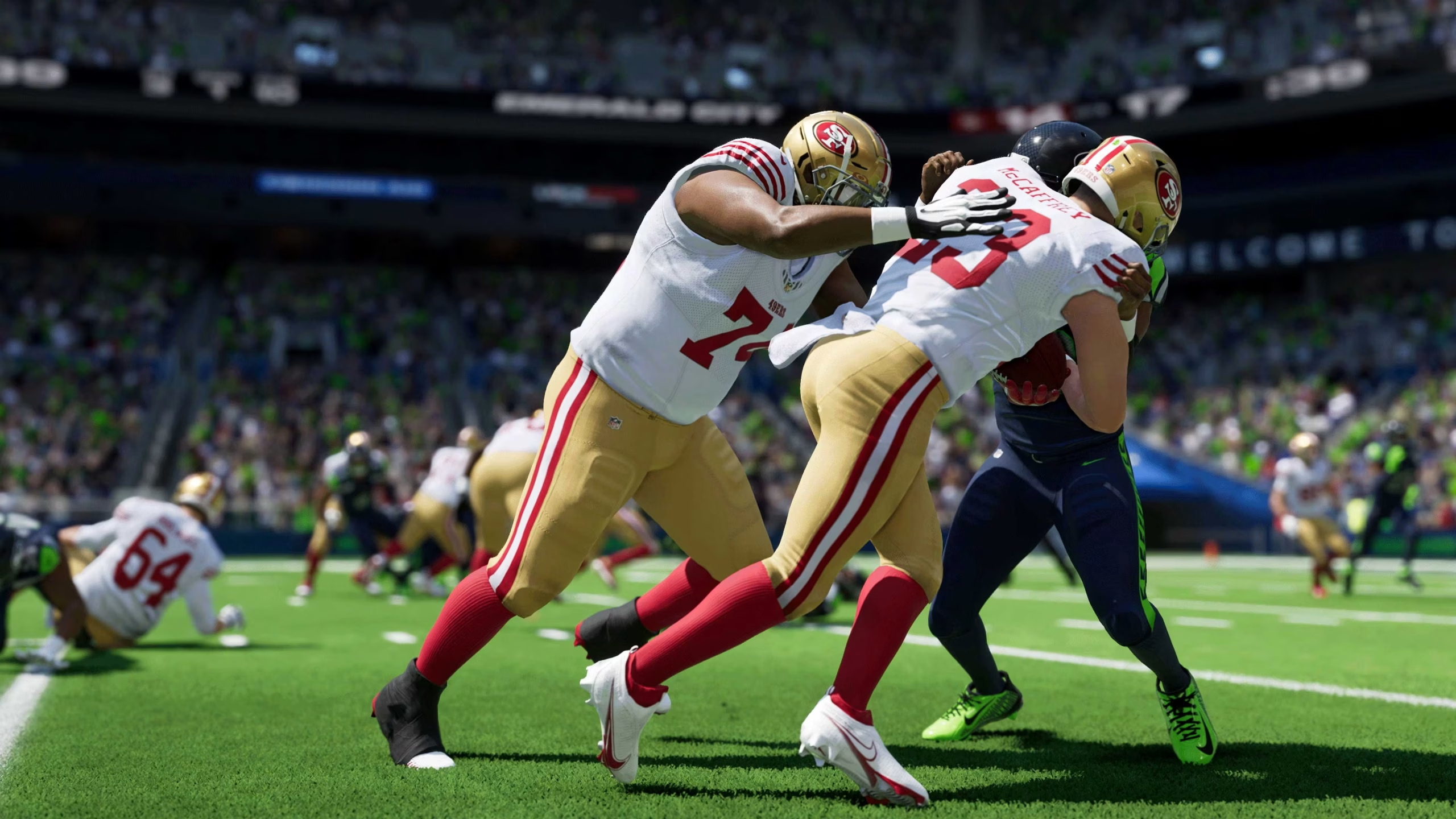
Skill Stick Controls Rewarded Precision
Control innovations changed the way Madden felt in players’ hands. Features such as the Hit Stick gave defensive players a dramatic new tool, while later Skill Stick systems expanded control over rushing moves, evasive actions, catches, and defensive techniques.
These mechanics reduced the sense that outcomes were determined entirely by ratings or automated animations.
Timing, positioning, and stick movement became increasingly important, creating a wider gap between casual play and competitive mastery.
Passing systems followed a similar path. Placement and accuracy controls allowed experienced users to lead receivers, target specific areas, and attempt throws that traditional button passing could not easily reproduce.
X-Factors Gave Superstars an Identity
Superstar X-Factor abilities were introduced to make elite players feel genuinely different. Rather than relying only on higher numerical ratings, leading athletes received specialized abilities based on their real-world strengths.
Mobile quarterbacks became more dangerous outside the pocket. Dominant pass rushers could disrupt an offense. Top receivers gained advantages in particular situations or against certain coverages.
The system brought recognizable NFL personalities into the gameplay itself. It also forced users to prepare for specific opponents instead of applying the same strategy to every team.
Online Play Changed the Competition
Online head-to-head modes allowed Madden players to compete beyond the living room. Ranked games, connected leagues, Ultimate Team competitions, and organized esports created a much larger competitive community.
Regular updates also made Madden more responsive to the real season. Ratings adjustments, roster changes, new player items, and gameplay patches could reflect developments across the league.
That connectivity extended the life of every release, although it also increased expectations. Players now expect balancing changes, technical fixes, and fresh content throughout the year.
Authenticity Became the Main Goal
Recent Madden games have placed greater emphasis on recreating the rhythms of an NFL broadcast. Team-specific traditions, stadium details, commentary, crowd reactions, signature movements, and coaching behavior all contribute to the atmosphere.
Technology has also enabled developers to use real NFL information to improve player movement and decision-making.
Madden NFL 26 advanced team-specific strategy and coaching systems, while Madden NFL 27, scheduled for release on August 13, 2026, is set to deepen player personalities, motivations, relationships, and career behavior.
The franchise’s next major challenge is clear. Madden must make every player, team, and season feel meaningfully different. Its most influential features have always done more than add content. They have changed how virtual football is played.